Selling a historic home in Excelsior can be rewarding, but it is rarely a plug-and-play listing. If your home has original details, a location near downtown, or a formal historic designation, you may be dealing with a sale that requires more planning than a typical property. The good news is that when you prepare the right way, you can protect your home’s character, avoid preventable issues, and present it more effectively to serious buyers. Let’s dive in.
Why Excelsior historic home sales are different
Excelsior is not simply a community with older homes. It has an active preservation framework that formally recognizes and reviews historic properties. In its 2024 preservation report, the city said it had 147 historic properties, 85 contributing structures, and 32 historic landmarks.
That matters because your home may be subject to rules that do not apply to a newer property down the street. Excelsior has a Heritage Preservation Commission, and the city reviews designated sites and properties within the downtown historic district. If you are selling, that can affect how you describe the home, what improvements were allowed, and what paperwork buyers may want to review.
Verify your home’s historic status first
Before you market your home as historic, landmarked, or district-contributing, confirm its exact status. Excelsior says its survey and designation program covers all properties in the city through surveys completed in 1998, 2002, and 2006. The city uses those surveys and city code to identify potential landmarks and districts.
This is one of the most important early steps in the selling process. A home may be an older property with historic character, but that is not the same as being a designated landmark or a contributing structure in the downtown historic district. Buyers, appraisers, and inspectors may all look at that distinction differently.
Understand when exterior work needs review
If you are thinking about making exterior updates before listing, pause and verify whether review is required. Excelsior says a Site Alteration Permit is required for exterior work on designated heritage sites and on properties in the downtown historic district. Even noncontributing properties in the district may still require review for rehabilitation or new construction so the work does not harm the area’s historic character.
The city also states that the Site Alteration Permit is separate from any building permit. Applications must include plans and elevations, and the work must be consistent with the city’s design manual. Ordinary maintenance that does not change the exterior appearance does not require a Site Alteration Permit.
Focus on repairs that protect character
When buyers shop for a historic home in Excelsior, they often notice the visible details first. The city’s Preservation Design Manual strongly favors repair and compatibility over replacement. That means preserving what makes the home look and feel authentic can be more valuable than making fast cosmetic changes that erase original character.
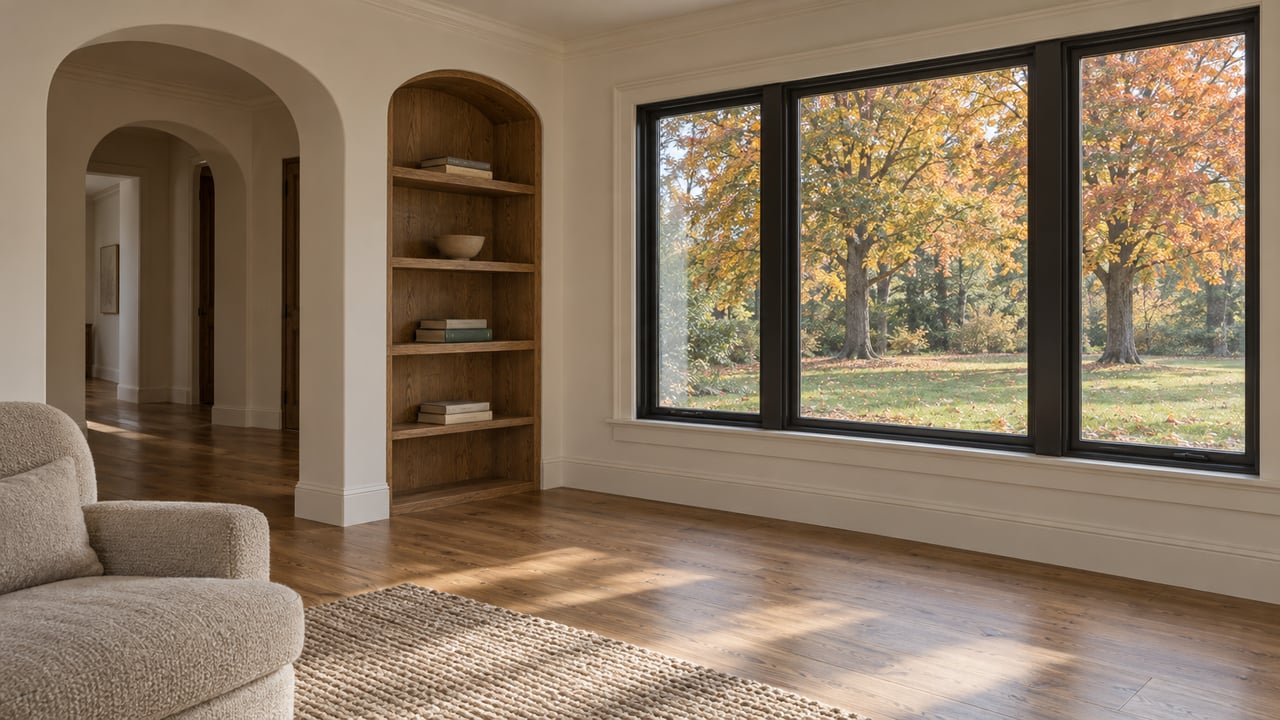
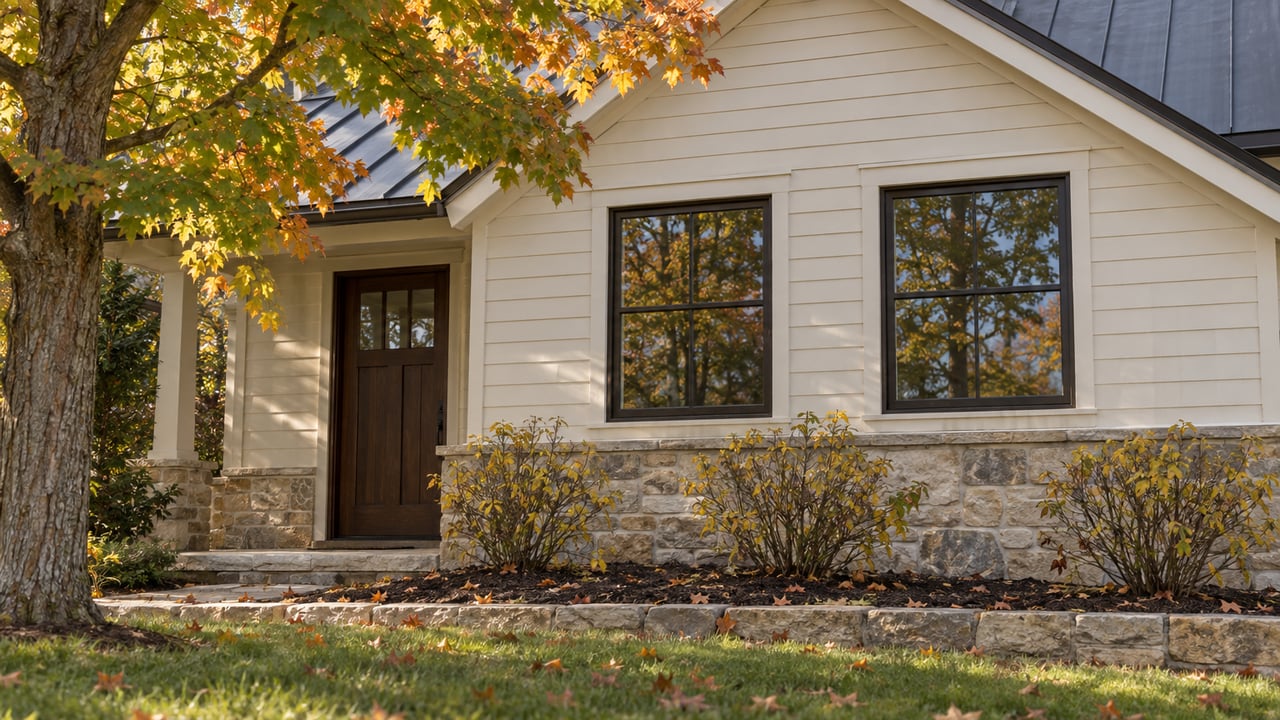
The manual specifically supports maintaining original wood siding instead of covering it with vinyl or aluminum. It also says original windows should be preserved, and if replacement is unavoidable, the new windows should match the original size and style. For roofs, the city says original size, shape, pitch, and eave depth should be retained.
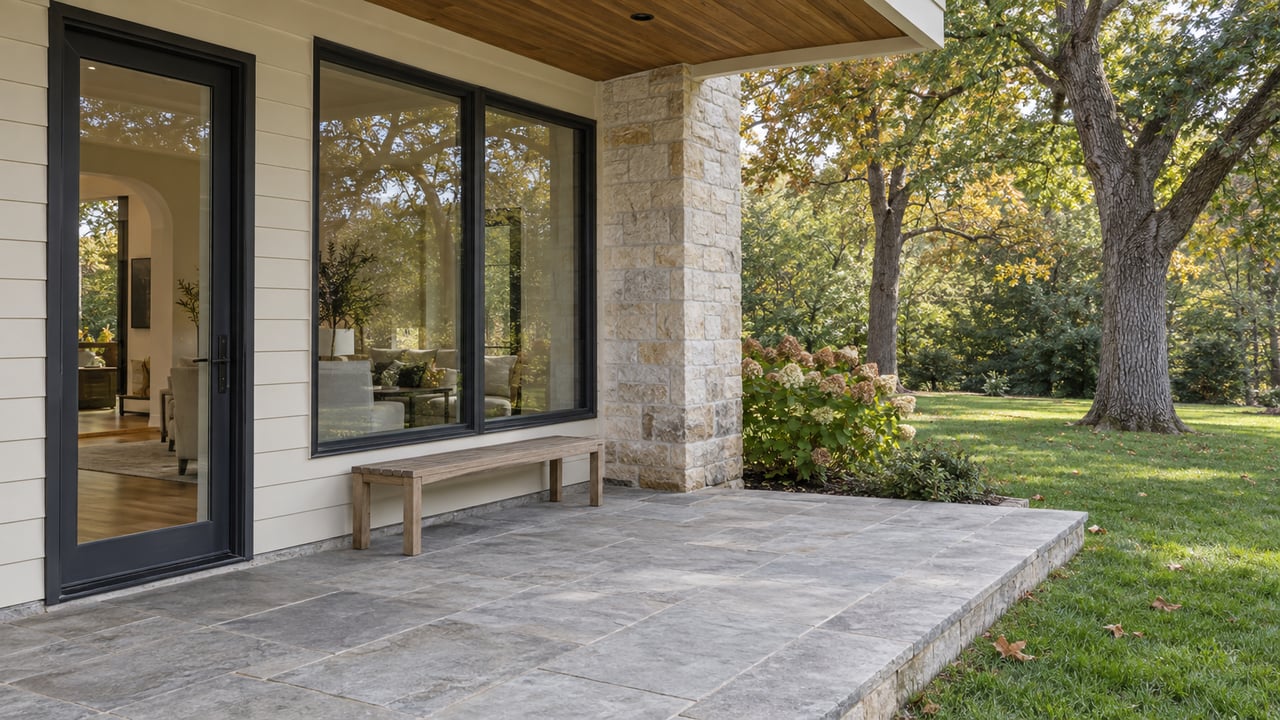
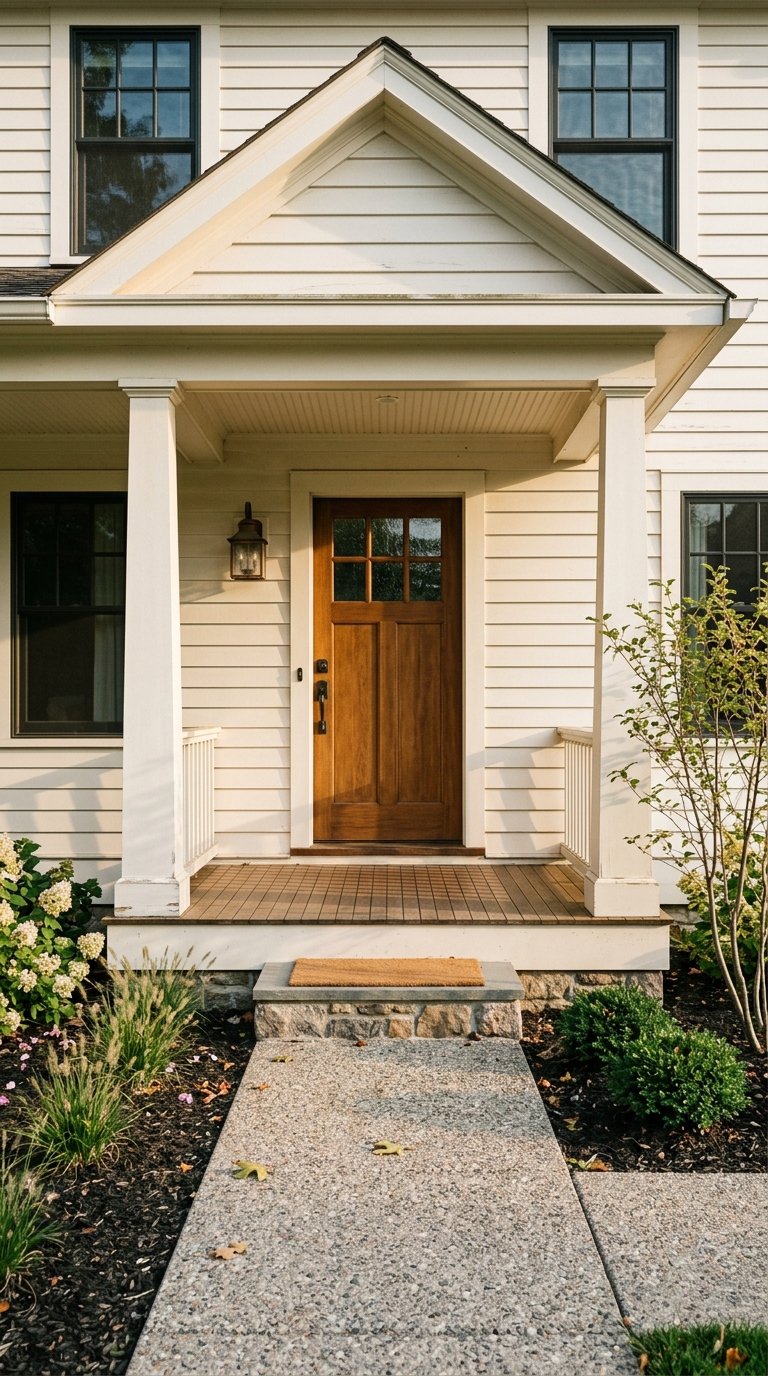
Porches also matter. The design manual says original porches should be preserved, open front porches should not be enclosed, and additions should generally be placed at the rear or least character-defining side of the home. For many sellers, these details are not just aesthetic. They are part of the value story.
Small details can shape buyer perception
Trim, sash profiles, porch columns, and chimneys may seem minor until a buyer compares your home to another older property nearby. Excelsior’s manual recommends preserving original trim and architectural features and repairing chimneys in keeping with the original style. It also advises against adding new chimneys or stovepipes on the front roof plane.
In practical terms, buyers often respond to homes that feel intact and thoughtfully cared for. If your home still has original siding, preserved porch details, or well-matched updates, those features can help it stand apart from newer infill construction and heavily altered older homes.
Get your disclosures and records ready
Minnesota law requires sellers to provide a written disclosure before signing a contract for residential real property. The disclosure must include known material facts that could adversely and significantly affect an ordinary buyer’s use and enjoyment of the property or an intended use the seller knows about.
For an older home, this makes preparation especially important. Before listing, take stock of any known roof leaks, moisture intrusion, foundation movement, deferred maintenance, or recurring issues. Even if a problem seems manageable to you, it may still need to be disclosed if it could materially affect a buyer.
Lead paint rules may apply
If your home was built before 1978, federal lead disclosure rules apply. Sellers must disclose known lead-based paint or lead-hazard information, provide any available reports, give buyers the lead pamphlet, and allow a 10-day period for a lead inspection or risk assessment. Sellers do not have to conduct or pay for a lead inspection, but they do need to handle the disclosure requirements correctly.
County records can help fill gaps
Hennepin County’s property information tools can help you confirm tax statements, assessment values, parcel descriptions, sales information, and recent recording history. The county recorder also maintains deeds and other legal property documents, and owners can request copies of deeds or certificates of title.
If you have owned the home for a long time, this can be useful when you are gathering the paper trail for prior improvements. Buyers often feel more confident when a seller can produce permits, receipts, title documents, and a clear history of major work.
Consider a pre-list inspection
Historic homes tend to have more moving parts, and small issues can become larger negotiation points once a buyer is under contract. A pre-list inspection can help you identify concerns early, while you still have time to decide how to handle them. That may mean repairing an issue, offering a credit, or disclosing it clearly from the start.
This step can also reduce surprises later. Inspection issues can complicate closing, and major repairs may become lender concerns. If you know the home’s condition before it hits the market, you can build a pricing and negotiation strategy around the facts.
Price your home against the right competition
One of the biggest mistakes sellers make with historic homes is comparing them too directly to the newest property nearby. In Excelsior, your home may compete with renovated older houses, newer infill homes, or replacement construction. That means price should reflect more than square footage and lot size.
Fannie Mae’s appraisal guidance says appraisers should analyze comparable sales, listings, and contract sales in the same market area. When truly comparable sales are limited because a property is unique, appraisers may use the best available sales from competing areas or older sales if they explain why. They also must make market-supported adjustments based on how buyers react to differences in condition, concessions, and timing.
What often drives value in a historic home
For many Excelsior properties, value comes from the mix of character, condition, and documentation. Buyers may pay more attention to whether original features remain, whether updates were handled carefully, and whether exterior changes were permitted when required. They may also look closely at whether the property’s condition could create financing or repair issues.
That is why strategic pricing matters. A strong pricing plan should account for the home’s architectural integrity, visible upkeep, repair outlook, and available records, not just headline features.
Market the home with facts, not vague nostalgia
Historic homes often inspire emotional reactions, but your marketing should still stay precise. In Excelsior, the city has a public designation process and inventory, so listing remarks should match the home’s actual historic status. If the property is not formally designated, it should not be presented as a landmark.
Instead, focus on verifiable details that help buyers understand what sets the home apart. That may include preserved windows, intact porch features, original siding or trim, carefully placed rear additions, and documented permitted work. Clear, accurate marketing builds credibility and reduces confusion during due diligence.
Use pre-list improvements wisely
Not every update will improve your sale outcome. In a historic home, changes that protect original character are often more effective than broad cosmetic replacements. If you are deciding where to spend money before listing, start with repairs that improve condition while keeping key period details intact.
There can also be a cost advantage for certain historic properties. Excelsior says building permit fees are reduced by 50% for landmarks and 25% for contributing buildings in the downtown historic district. If your home qualifies, that may help with the cost of a small pre-list repair or period-appropriate exterior update.
A simple seller checklist for Excelsior
Before your home goes on the market, use this checklist to stay organized:
- Verify whether the home is a designated landmark, in the downtown historic district, or simply an older property
- Gather permits, receipts, inspection reports, deeds, and title documents
- Review known issues that may need to be disclosed under Minnesota law
- Handle lead-based paint disclosures early if the home predates 1978
- Prioritize repairs to windows, porches, siding, roofs, chimneys, and trim
- Confirm whether planned exterior work requires a Site Alteration Permit
- Price the home using the best comparable sales available, even if they require careful adjustment
- Make sure listing remarks accurately reflect the property’s true historic status
The right strategy protects value
Selling a historic home in Excelsior the right way is really about doing two things well. First, you need to understand the property itself, including its designation, condition, documentation, and any local review requirements. Second, you need to present that home in a way that respects its character while making the value clear to today’s buyers.
That kind of sale benefits from careful planning, accurate positioning, and strong execution from day one. If you want expert guidance on pricing, preparation, and premium marketing for a home in the Lake Minnetonka area, connect with Mark Geier for a tailored selling strategy.
FAQs
What makes selling a historic home in Excelsior different from selling another older home?
- Excelsior has a formal preservation framework, including a Heritage Preservation Commission, designated landmarks, and a downtown historic district, so your home may be subject to review rules and more specific documentation needs.
How can you confirm whether your Excelsior home is officially historic?
- You can verify whether the property is a designated landmark, a contributing structure in the downtown historic district, or simply an older home by checking the city’s designation and survey records.
Do exterior repairs on an Excelsior historic home require approval before listing?
- Some do. The city requires a Site Alteration Permit for exterior work on designated heritage sites and properties in the downtown historic district, while ordinary maintenance that does not change exterior appearance does not require that permit.
What should you disclose when selling an older home in Minnesota?
- Minnesota law requires you to disclose known material facts that could adversely and significantly affect a buyer’s use and enjoyment of the property or an intended use you know about.
What lead paint rules apply when selling a pre-1978 Excelsior home?
- If the home was built before 1978, you must disclose known lead-based paint or lead hazards, provide any available reports, give buyers the lead information pamphlet, and allow a 10-day period for a lead inspection or risk assessment.
How should you price a historic home in Excelsior?
- The best approach is to compare it with similar properties based on age, style, condition, location, and preserved character, rather than relying only on newer nearby homes.
Which updates matter most before listing a historic home in Excelsior?
- Repairs that preserve visible character often matter most, especially work involving windows, porches, siding, roofs, chimneys, and trim, along with documentation showing the work was handled properly.