Thinking about buying new construction in Plymouth? It is easy to focus on glossy model homes and builder incentives, but the real decision usually comes down to how a neighborhood fits your budget, daily routine, and long-term plans. If you are comparing new homes in Plymouth, this guide will help you understand the housing types, lot patterns, HOA details, location advantages, and builder questions that matter most. Let’s dive in.
Plymouth New Construction Is Not One-Size-Fits-All
If you picture every new-construction neighborhood in Plymouth as the same kind of large detached subdivision, it helps to widen the lens. Plymouth’s planning documents show a mixed housing market that includes low-density detached homes, along with two-unit homes, townhomes, apartments, and mixed-use residential development in certain areas.
That matters because your options may look very different depending on where in Plymouth you search. Attached housing is more likely near City Center and redevelopment areas, while older detached residential areas are less likely to have that same product mix. Plymouth’s 2040 plan also notes that some future low-density lots may be smaller than lots in older neighborhoods.
What Types of New Homes You May Find
Detached Homes
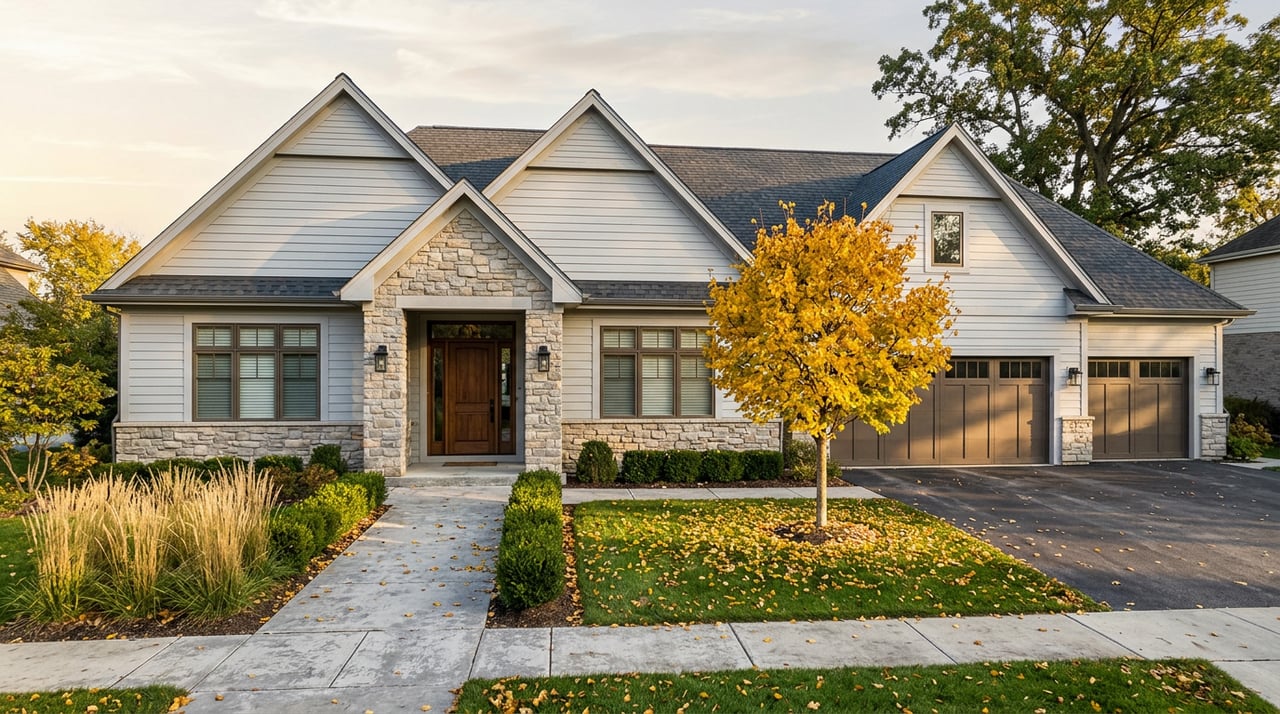
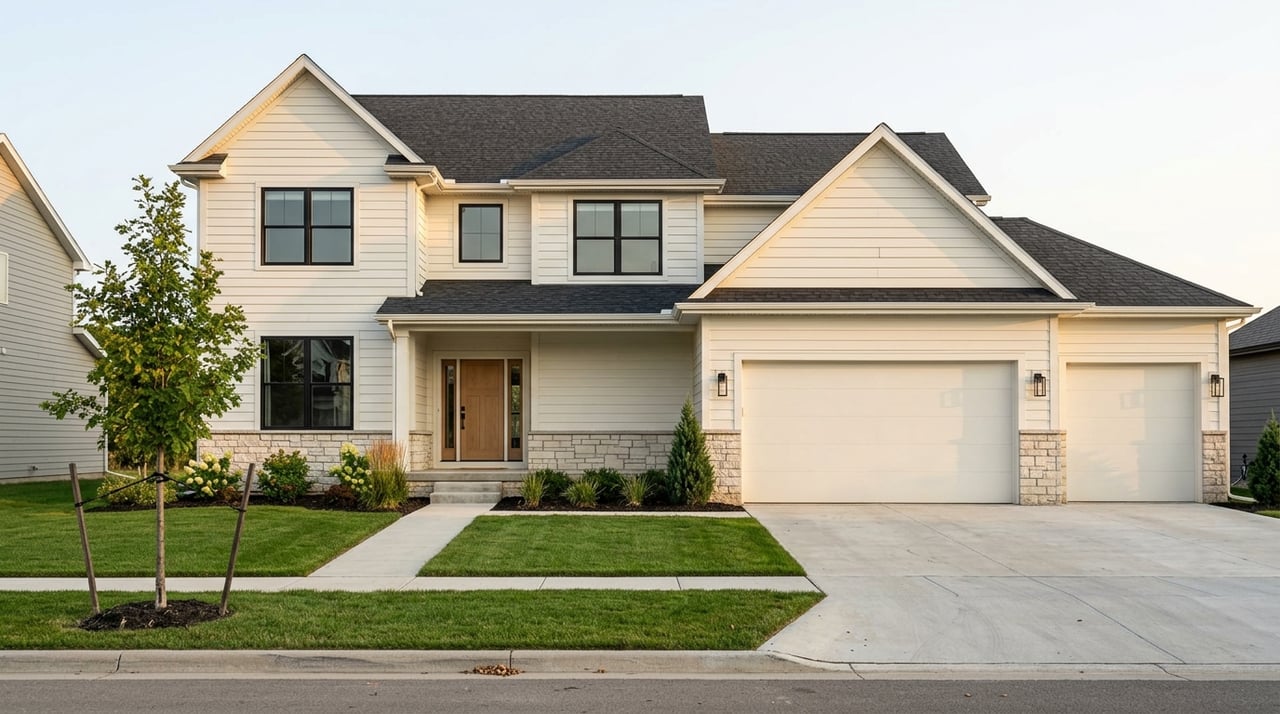
Detached new-construction homes in Plymouth often appeal to buyers who want more indoor space, larger garages, and a more traditional single-family layout. Representative builder offerings in the area commonly use 65-foot homesites and feature open-concept kitchens, flex rooms, main-floor offices or guest suites, and 3-car garages.
Home sizes can vary quite a bit. Research examples in Plymouth-area offerings range from about 1,900 square feet to more than 5,000 square feet, which means two homes in the same city can serve very different needs and price points.
Villas and Low-Maintenance Homes
Plymouth also has association-maintained villa communities. These neighborhoods often attract buyers who want main-level living and less day-to-day exterior upkeep.
A good example of this product style includes homes with a main level designed for everyday living and a lower level built for entertaining. In many cases, the tradeoff is less private yard space in exchange for shared amenities and simplified maintenance.
Townhomes and Attached Housing
Townhomes and other attached options can make sense if you want a more central location, a lower-maintenance lifestyle, or a different price entry point than a large detached home. In Plymouth, this type of housing is especially relevant near City Center and other areas planned for mixed residential development.
For many buyers, attached housing is not just about price. It is also about convenience, association services, and being closer to community destinations and major routes.
Floor Plans Matter as Much as Square Footage
One of the biggest mistakes buyers make with new construction is comparing homes by square footage alone. In Plymouth, floor plan design often has a bigger effect on daily life than the raw number on the brochure.
When you walk through model homes or review builder plans, pay close attention to how the home uses main-level space. A well-designed 2,900-square-foot home can feel more functional than a larger home with less practical room placement.
Features Worth Comparing
Here are some of the most useful side-by-side comparison points:
- Main-floor office or flex room
- Main-level guest suite
- Mudroom layout and storage
- Lower-level finish potential
- Garage size, especially 3-car configurations
- Kitchen openness and connection to living areas
- Homesite width and privacy
These details shape how the home lives day to day. If you work from home, host guests often, or need extra storage for sports gear, hobbies, or seasonal items, these features can matter just as much as bedroom count.
What To Know About Plymouth Lots and Homesites
In Plymouth, lot size and neighborhood pattern can vary more than you may expect. Some detached communities use 65-foot homesites, while future low-density lots in certain planned areas may be smaller than those in older neighborhoods.
That makes it important to look beyond the phrase “single-family home.” Two new homes with similar square footage may offer very different outdoor space, backyard privacy, setback feel, and streetscape character.
Questions To Ask About the Lot
Before you commit, ask practical questions such as:
- How wide is the homesite?
- What sits behind and beside the lot?
- How much usable yard space will you actually have?
- Are there easements, wetlands, or drainage features affecting the lot?
- Will future phases change the view or privacy?
A strong lot can improve both your enjoyment and future resale appeal. This is especially important if you are deciding between a premium lot and spending that same budget on upgrades.
HOA Fees Should Be Part of Your Budget
If you are buying in a townhome, condo, villa, or other common-interest community in Plymouth, HOA details deserve close attention. In Minnesota, these communities are typically governed by Chapter 515B, and the association’s governing documents set the maintenance responsibilities and rules.
The Minnesota Attorney General notes that association boards must budget for reserve funds. The same guidance also points out that association ownership can reduce day-to-day chores like snow removal or yard maintenance, which is a real benefit for many buyers.
Just make sure you treat HOA dues as part of your true monthly housing cost. They should be part of your affordability review from the start, not an afterthought after you fall in love with the home.
Review These HOA Details Carefully
Before buying, compare:
- Monthly HOA fee
- What maintenance the HOA covers
- Snow and lawn care responsibilities
- Amenity access
- Rules that may affect exterior changes or use of common areas
- Reserve funding and long-term upkeep planning
A low-maintenance lifestyle can be a major plus, but only if you understand exactly what you are paying for.
Plymouth Location Advantages Can Shape Your Choice
Plymouth’s location is one reason new construction remains attractive to many buyers. According to city information, Plymouth is about 12 miles northwest of Minneapolis, with I-494 running through the city, Highway 55 through the city, Highway 169 along the eastern border, and I-394 within about four miles of the center.
That route network can make a meaningful difference if you commute to different parts of the metro or want easier regional access. Depending on the neighborhood, one Plymouth location may feel much more convenient than another for your routine.
Parks, Trails, and Community Amenities
Plymouth also offers strong outdoor and civic amenities. City data shows 188 miles of trails and 1,834 acres of park land, along with access to lakes including Medicine Lake.
If you are looking near City Center, you may also be closer to destinations like the Hilde Performance Center, Plymouth Ice Center, the library, City Hall, restaurants, businesses, and other local services. For many buyers, this is part of the appeal of newer attached housing or redevelopment-area construction.
How To Compare Builders the Smart Way
Builder comparisons should go well beyond base price. A practical Plymouth new-construction review should include the lot, included features, upgrade costs, structural choices, HOA obligations, warranty terms, and closing details.
Some builders outline a pre-build meeting that covers plan selection, finish choices, and structural personalization before permits and construction begin. Others publish stage-by-stage timelines and note that weather can affect exterior finish timing. That means your timeline may not be as fixed as you hope, especially if you are coordinating a sale, lease end, or relocation.
Compare More Than the Model Home
When you compare builders, look at:
- Included features versus paid upgrades
- Structural options like 3-car garages or main-level suites
- Design selection process
- Estimated build timeline
- Deposit terms and refundability
- Closing terms
- Warranty coverage
You should also know that you are not required to use a builder’s preferred lender. If a builder offers incentives tied to a preferred lender, compare the full financial picture before deciding.
Understand Warranty Coverage in Minnesota
Minnesota’s statutory new-home warranty framework is an important part of any Plymouth new-construction purchase. According to the Minnesota Attorney General, new homes generally carry:
- 1-year coverage for workmanship or material defects
- 2-year coverage for plumbing, electrical, heating, and cooling installation defects
- 10-year coverage for major construction defects
These protections are valuable, but they do not replace the need to understand the builder’s process, documentation, and service after closing. Warranty terms should be one of the first things you compare, not one of the last.
Budget for the Full Cost, Not Just the Base Price
The advertised sales price is only part of the story. Your true cost may also include upgrades, HOA dues, homeowners insurance, earnest money, and closing costs.
Research cited in the report notes that closing costs are typically about 2% to 5% of the purchase price. For that reason, a realistic new-construction budget should account for both your up-front cash needs and your long-term monthly payment.
Your Plymouth Budget Checklist
Before you move forward, make sure you have a clear estimate for:
- Base purchase price
- Lot premium, if any
- Structural options
- Design center upgrades
- HOA dues
- Insurance
- Closing costs
- Earnest money and deposit terms
This approach helps you compare homes fairly and avoid surprises late in the process.
The Bottom Line for Plymouth Buyers
New construction in Plymouth offers real variety, from detached homes on wider homesites to villas and attached housing near City Center. The best choice for you depends on how you balance layout, lot size, maintenance, location, amenities, and the full monthly cost.
If you are buying in Plymouth, it helps to have an experienced local advisor who can help you compare neighborhoods, read the fine print, and evaluate value beyond the model-home first impression. When you want a steady, informed perspective throughout the process, Mark Geier can help you move forward with clarity and confidence.
FAQs
What types of new construction are available in Plymouth?
- Plymouth offers a mix of detached homes, two-unit homes, townhomes, apartments, villas, and mixed-use residential options, depending on the area and city planning designation.
What should buyers compare in Plymouth new-construction neighborhoods?
- You should compare homesite width, privacy, included features, upgrade costs, structural options, HOA fees and responsibilities, builder timeline, deposit terms, and warranty coverage.
What are common floor plan features in Plymouth new homes?
- Common features include open-concept kitchens, flex rooms, main-floor offices or guest suites, mudrooms, lower-level entertaining space, and 3-car garages.
What should buyers know about HOA communities in Plymouth?
- In Plymouth HOA-style communities, you should review monthly dues, maintenance coverage, rules, amenity access, and reserve funding because these details affect both lifestyle and affordability.
Why does location matter when choosing new construction in Plymouth?
- Location matters because Plymouth offers access to major routes like I-494, Highway 55, Highway 169, and nearby I-394, along with trails, parks, lakes, and City Center amenities that can shape convenience and daily life.
What warranty coverage applies to new homes in Minnesota?
- Minnesota generally provides 1-year coverage for workmanship or material defects, 2-year coverage for installation defects in plumbing, electrical, heating, and cooling systems, and 10-year coverage for major construction defects.