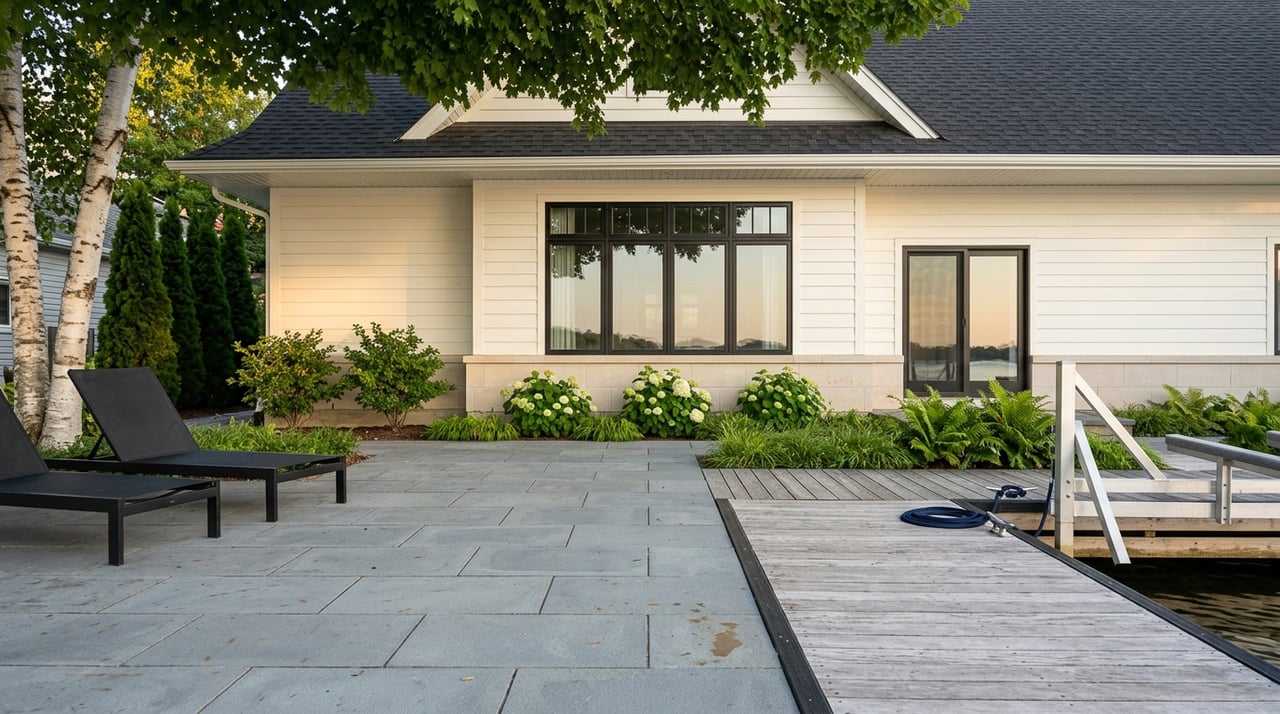
You can fall in love with a Lake Minnetonka address fast, but the right home for your boating lifestyle takes more than a pretty shoreline view. If you are comparing bays, docks, and access points in Minnetrista, you are already asking the right questions. The good news is that a smart search can help you match the way you actually use the water with the kind of home that supports it best. Let’s dive in.
Why Lake Minnetonka Feels So Different
Lake Minnetonka is not one uniform boating market. It has 22.7 square miles of water, more than 100 miles of shoreline, 31 connecting channels, and 42 bays.
That matters because each part of the lake can feel very different once you are on the water. Some bays are deep, some are shallow, and boating conditions can shift quite a bit depending on where a home sits.
For buyers, this means you should not treat “Lake Minnetonka home” as one category. The better approach is to narrow your search by boating style first, then by home type and price point.
Why Minnetrista Stands Out
Minnetrista offers a different side of Lake Minnetonka living. The city describes itself as a rural community on the western bays of the lake, with waterfront areas that include Jennings Bay, Halstead Bay, parts of Priest Bay, Phelps Bay, and West Upper Lake.
That western-bay setting appeals to buyers who want lake access without the feel of a denser shoreline environment. Minnetrista also includes acreage and interior-lake settings, so you may find options that fit your boating goals even if you are not looking for direct frontage.
If you want a little more breathing room while staying connected to Lake Minnetonka, Minnetrista deserves a close look. It can give you a broader mix of property types and access styles than buyers sometimes expect.
Match the Home to Your Boating Style
The best lake home is the one that fits how you plan to spend time on the water. Before you focus on finishes, lot size, or architecture, it helps to be honest about your day-to-day boating habits.
Calm-Water Buyers
If you picture kayaking at sunrise, paddleboarding after work, or enjoying a quieter dockside setting, calmer water should be high on your list. On Lake Minnetonka, LMCD identifies quiet-water areas in places such as Bay St. Louis, Carson Bay, Emerald Lake, Seton Lake, Libbs Lake, and the Wayzata Bay causeway.
It also identifies quiet-water channels including Gray’s Bay to Wayzata Bay and Black Lake to Spring Park Bay. Even if your home search centers on Minnetrista, these quiet-water designations are useful reference points when comparing the feel of different areas around the lake.
Powerboating and Cruising Buyers
If your ideal day involves longer rides, tubing, or moving between lake destinations, open-water character becomes more important. Orono planning materials describe the lower lake as a major attraction for sailboaters, while the upper lake and its bays tend to have a more casual-boater appeal.
That distinction can help you frame your search. Buyers who prefer a more sheltered, bay-based experience may feel more at home in western and upper-lake settings, while buyers seeking broader open-water runs may prioritize other parts of the lake system.
Sailing-Oriented Buyers
If sailing is central to your lifestyle, access and boating patterns matter as much as the home itself. LMCD’s licensed boating facilities show sailing and yacht club activity around Wayzata, Carsons and St. Louis, Crystal, and South Upper Lake.
That does not mean you need to buy directly in those areas, but it does mean your preferred launch, marina, or sailing routine should shape your location strategy. A beautiful home is only part of the equation if your boating setup adds too much friction.
Waterfront Is Not Your Only Option
Many buyers assume they need private shoreline to enjoy Lake Minnetonka. In reality, you can still build a strong boating lifestyle without owning direct frontage.
LMCD lists public launches at Carsons Bay, Eastman Lane at Wayzata Bay, Grays Bay, Halstead Drive, Lake Minnetonka Regional Park on West Upper Lake, Maxwell Bay, Spring Park, Surfside Park at Cooks Bay, Tuxedo Road at Phelps Bay, and the City of Wayzata. It also lists commercial marinas, rental watercraft, and public-slip options around the lake.
This is especially important in Minnetrista, where inland homes or homes with nearby access may offer a better value fit. If your goal is frequent time on the water rather than private dock ownership, you may have more choices than you think.
Understand Dock Rules Before You Buy
A dock can look simple, but the rules behind it are not always simple. On Lake Minnetonka, docking capacity depends heavily on frontage and site conditions.
LMCD says annual permits or licenses are generally not required for single-family residential properties, but permits are required for permanent docks, dock extensions during declared low-water conditions, and nonconforming docks or moorings that have existed since May 3, 1978. That means you should verify what is allowed instead of relying on past use or seller assumptions.
One of the biggest details is shoreline footage. LMCD uses a one-watercraft-per-50-feet-of-continuous-shoreline rule in many cases, so the amount of frontage can directly affect how well a property supports your boating plans.
Questions to Ask About a Dock
Before you move forward on a waterfront home, ask questions like these:
- How much continuous shoreline does the property have?
- Is the existing dock permanent or seasonal?
- Has the dock setup required permits or special approvals?
- How many watercraft can the site realistically support?
- Does the current configuration match LMCD rules?
- How does the shoreline function during lower water conditions?
These details can make a major difference in how usable a property feels after closing. A home that seems perfect online may not fit your boating routine if the dock setup is too limited.
Water Levels Matter More Than Buyers Expect
Maps and listing photos can only tell you so much. Lake Minnetonka’s ordinary high-water level is 929.4 feet, and LMCD notes that water levels fluctuate seasonally.
Those shifts can affect shoreline feel, dock placement, and lift use. That is why it helps to evaluate how a property functions in real life, not just how it looks from the house or on a survey.
If boating is a top priority, pay close attention during showings. Look at shoreline depth, dock position, and how easily you can imagine getting on and off the water through the season.
Compare Home Types in Minnetrista
Your ideal boating lifestyle does not always point to one kind of property. Around Lake Minnetonka, buyers often compare several home types before they find the right fit.
Orono planning materials note that many former summer cabins around the lake have been converted into full-time residences, and that shoreline housing now includes substantial suburban homes as well. In practice, that means your options may include renovated cottages, custom lakefront homes, inland homes near launch access, or condos and townhomes that depend on nearby lake amenities rather than private shoreline.
Common Property Paths
Here is how many buyers think through the options:
- Direct lakefront home: Best for buyers who want private shoreline and day-to-day dock access.
- Inland home near launch access: A practical choice if you want regular boating without paying for direct frontage.
- Condo or townhome: Can work well if low maintenance matters more than private dock control.
- Acreage or western-bay setting: Often attractive if you want space, privacy, and access to the lake lifestyle in a more rural setting.
The right answer depends on how often you boat, what kind of watercraft you use, and how important private shoreline is to your routine.
Keep Price Tiers in Perspective
Budget plays a big role in how you approach Lake Minnetonka. Hennepin County’s 2026 homeowner-impact handout shows citywide single-family median estimated market values of about $355,200 in Mound, $673,700 in Minnetrista, $1,106,500 in Tonka Bay, $1,152,500 in Wayzata, $1,521,600 in Woodland, and $2,227,900 in Minnetonka Beach.
These are not lakefront-only numbers, but they are a helpful reminder that the market changes quickly from one city to the next. They also show why buyers in Minnetrista often look at a mix of waterfront, near-water, and inland opportunities.
If you are balancing boating goals with budget, Minnetrista can be a strong place to focus. It may offer a more flexible entry point into the Lake Minnetonka lifestyle than some of the tighter, more expensive shoreline communities.
A Smarter Way to Tour Homes
When you tour homes in Minnetrista, try to think beyond the house itself. A lake property should support your routine on the water, not just your wish list indoors.
Pay attention to the bay location, shoreline footage, water access, launch proximity, and how protected or open the water feels. If you are not buying direct frontage, look at how easy it will be to launch, store, or rent the kind of watercraft you plan to use most.
The goal is not just to buy on or near Lake Minnetonka. The goal is to buy a home that makes your version of lake living easier, more enjoyable, and more sustainable over time.
If you are weighing waterfront versus near-water options in Minnetrista, working with someone who understands the lake’s different bays, access points, and property tradeoffs can save you time and help you avoid expensive surprises. When you are ready to talk through your goals, connect with Mark Geier for experienced, one-on-one guidance tailored to Lake Minnetonka living.
FAQs
What makes Minnetrista different for Lake Minnetonka buyers?
- Minnetrista offers a western-bay setting on areas including Jennings Bay, Halstead Bay, parts of Priest Bay, Phelps Bay, and West Upper Lake, along with inland and acreage options that expand your choices beyond direct waterfront.
Can you enjoy Lake Minnetonka without a private dock?
- Yes. Public launches, marinas, rental watercraft, and public-slip options around the lake can make boating possible even if you buy an inland home, condo, or townhome.
How do dock rules affect a Lake Minnetonka home purchase?
- Dock capacity often depends on shoreline footage and site conditions, and some dock situations require LMCD permits, so it is important to verify what a property can legally support before you buy.
Which Lake Minnetonka areas are better for calmer boating?
- LMCD identifies selected quiet-water bays and channels, including Bay St. Louis, Carson Bay, Emerald Lake, Seton Lake, Libbs Lake, and the Wayzata Bay causeway, as well as some protected channels.
Are all Lake Minnetonka waterfront homes similar for boaters?
- No. Lake Minnetonka includes many bays, channels, and depth conditions, so one shoreline can offer a very different boating experience from another.
What price range should you expect around Minnetrista and nearby lake communities?
- Hennepin County’s 2026 citywide single-family median estimated market values show Minnetrista at about $673,700, with nearby communities ranging from about $355,200 in Mound to more than $2.2 million in Minnetonka Beach.