If you are planning a move in Wayzata, one question can shape everything from your daily routine to your budget: do you want to be in the middle of downtown energy, or would you rather have a little more space and separation nearby? In a compact lake city like Wayzata, those choices can feel surprisingly different even within a short distance. This guide will help you compare Downtown Wayzata with nearby pockets so you can match your next move to the lifestyle, home type, and access that matter most to you. Let’s dive in.
Why micro-location matters in Wayzata
Wayzata sits at the northeast tip of Lake Minnetonka, about 11 miles from downtown Minneapolis and just west of the Interstate 494/394 corridor. The city identifies both Lake Street and Wayzata Boulevard as major business districts, alongside residential neighborhoods. That is why many buyers are not just choosing Wayzata versus another city, but one part of Wayzata versus another.
In practical terms, your location choice can affect how often you walk to the lake, what kind of home you are likely to find, how you handle parking, and how easy your commute feels. In 2026, route choice matters even more because the city has reported Highway 12 reconstruction and I-394 construction affecting travel patterns.
Downtown Wayzata at a glance
Downtown Wayzata is the clear fit if you want to be close to shops, dining, public lake access, and trails. The city has spent years reshaping the area around walking, biking, and shoreline access through the Panoway project.
Phase 1 rebuilt Lake Street from Barry Avenue to Broadway Avenue to be more pedestrian and bike friendly, added Plaza Park, and extended the Dakota Rail Regional Trail. Phase 2 added a 1,200-foot Lakewalk with lakeside seating and new community docks. The city’s stated goal is to support downtown commerce while improving public access to Lake Minnetonka.
Best fit for downtown living
Downtown usually makes the most sense if you want:
- Walkability as part of daily life
- Easy access to Lake Minnetonka
- Lower-maintenance housing options
- Proximity to the Dakota Rail Regional Trail
- A more active, mixed-use setting
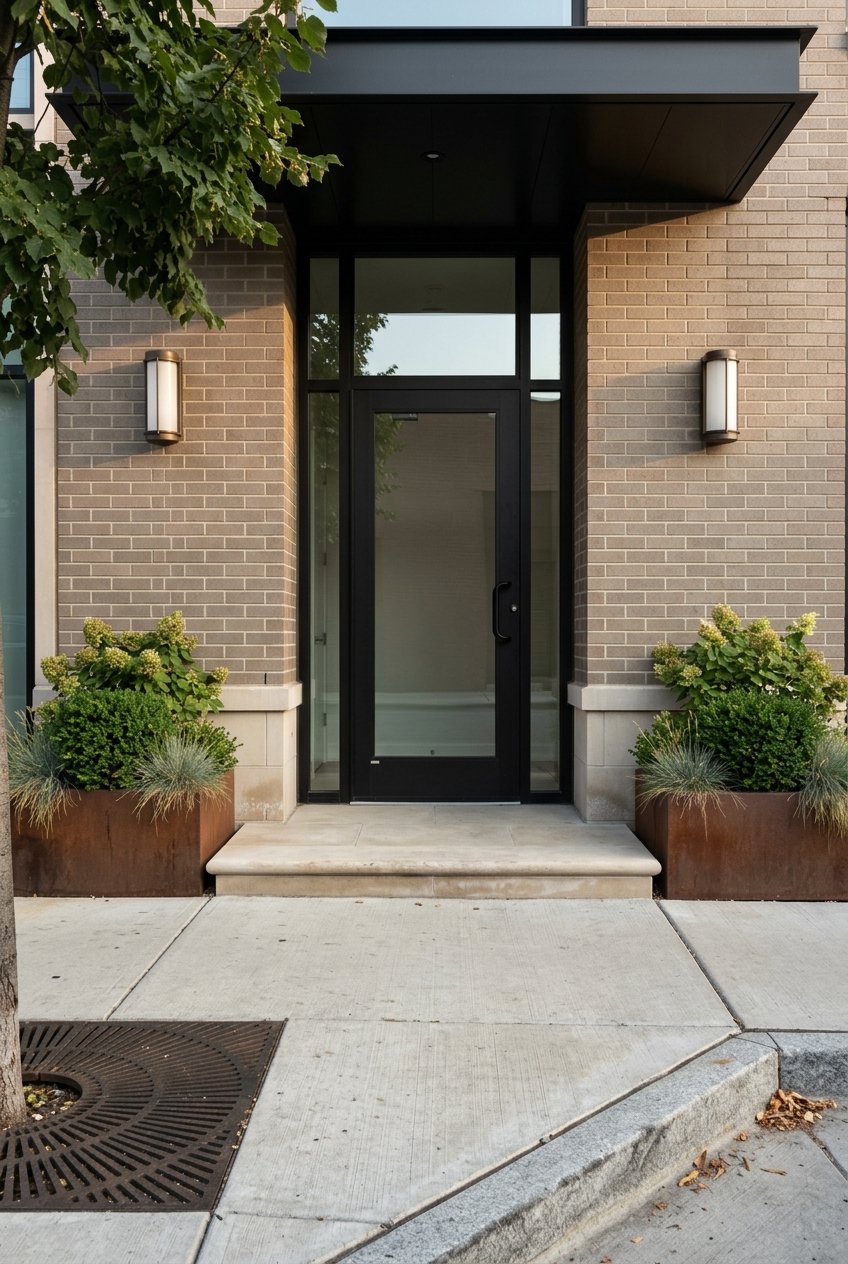
The housing mix also supports that lifestyle. City planning documents note that condos and townhomes are more prevalent downtown, making it a natural option if you want simpler upkeep or a lock-and-leave style home.
The main trade-offs downtown
The same features that make downtown attractive also create a few practical considerations. Parking remains an active planning issue, and the city continues to study public parking needs as redevelopment continues. If you are comparing downtown to inland residential blocks, this is one of the biggest everyday differences.
You may also find that detached-home options are less central to the downtown experience than condos, townhomes, and mixed-use residential living. If your priority is a larger lot, quieter street pattern, or more separation from visitor activity, you may prefer one of the nearby residential pockets.
Shoreline pockets offer the strongest lake feel
If your ideal day includes seeing the water often and being close to shoreline activity, the lake-adjacent pockets near Wayzata Beach, the Depot docks, and the Broadway docks deserve a close look. These areas offer the most direct connection to the lake as part of everyday living.
Wayzata Beach and Marina includes a sandy beach, seasonal concessions, a playground, parking, and a short-term public dock. The Depot docks and Broadway docks allow boats to pull up near the historic depot and downtown businesses. In this part of Wayzata, the lake is not just nearby. It becomes part of your routine.
What makes shoreline areas different
The biggest appeal here is immediacy. You are closer to the beach, public docks, and the visual connection to Lake Minnetonka that defines Wayzata for many buyers.
There is also a scarcity factor. The city notes that some of the closest beach parking is permit-controlled, with annual permits available only to residents. That helps show how limited shoreline convenience can be, and why homes in these areas often appeal to buyers who place a high value on direct lake access and views.
Inland residential pockets feel more traditional
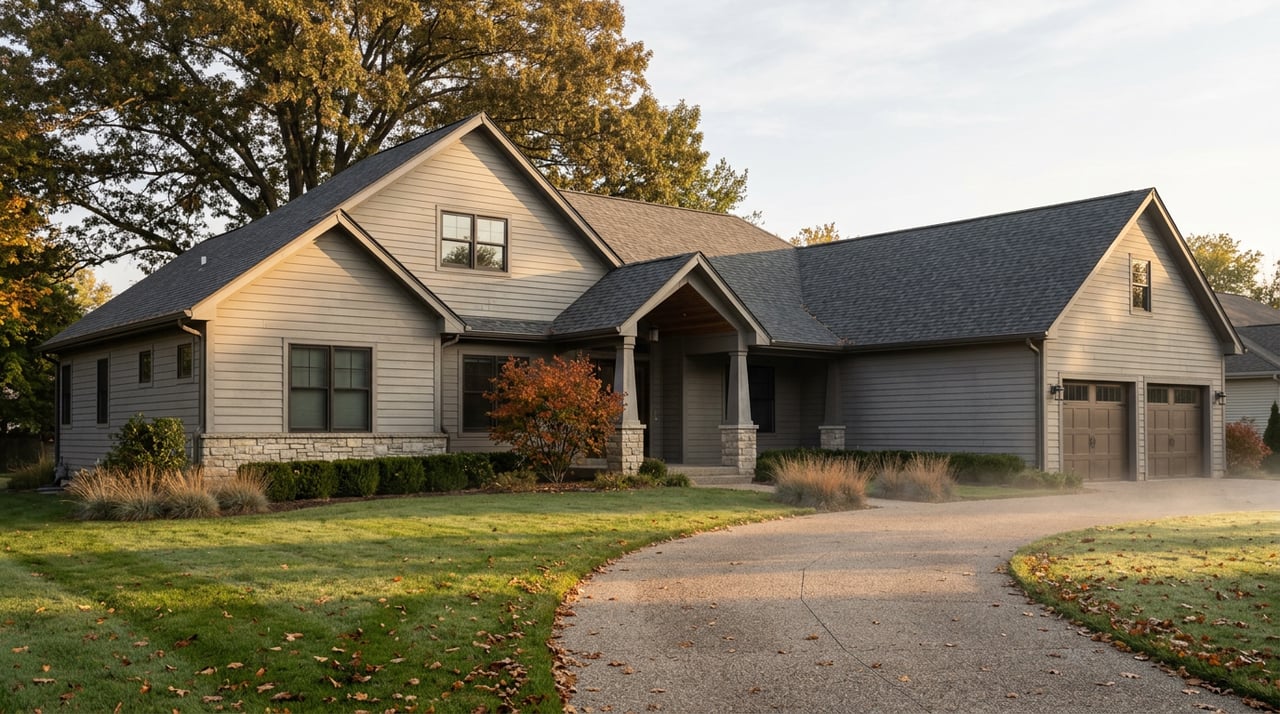
If downtown feels a little too active, inland residential areas can offer a more classic neighborhood setting. One useful example is the area north of Wayzata Boulevard, east of Barry Avenue, south of Highway 12, and west of Gleason Creek.
The city’s R-3A Redevelopment Study found that 17 new homes were built there from 2019 to 2024, accounting for 31 percent of all single-family tear-downs and rebuilds in the city during that period. That points to a largely single-family pocket where you may find larger rebuilt homes and a quieter street layout than downtown.
Why buyers choose inland areas
These neighborhoods often stand out for:
- Detached-home living
- More privacy from day-to-day visitor traffic
- A more residential street pattern
- Potentially larger homes than downtown options
- Separation from the busiest downtown activity
The trade-off is that spontaneous lake access usually becomes less immediate. You may still be close to everything by car or bike, but you are less likely to step outside and be right in the middle of the lakefront experience.
Wayzata Boulevard is about access
The Wayzata Boulevard corridor is its own category. It is not best understood as a classic neighborhood in the same way as the inland residential grids or lakefront-adjacent blocks.
According to the city’s corridor study, this area is intended to support a mix of retail, service, office, and multifamily residential uses, with some auto-oriented commercial segments as well. That makes it better framed as an access-and-redevelopment corridor.
When Wayzata Boulevard makes sense
This area may be worth a closer look if your priority is convenience. Metro Transit Route 645 serves this side of town, and the route map shows a Wayzata Park & Ride at 322 Wayzata Blvd E with service toward downtown Minneapolis and Mound.
For buyers who want practical commuting options, this is the most transit-friendly pocket in this comparison. It can be especially useful if your work routine or travel schedule makes easy access more important than being in the middle of the downtown lakefront setting.
Trails and commuting can tip the scale
Lifestyle in Wayzata is not just about the home. It is also about how you move through the area each day.
The Dakota Rail Regional Trail begins at the downtown lakefront, which gives downtown an advantage for buyers who want trail access built into daily life. The Luce Line runs along the northern edge of Wayzata just north of Highway 12, but it is separated from much of the city by the highway.
That means trail access is not one-size-fits-all. Some buyers prefer the immediate downtown and lakefront connection, while others are happy to trade that for a more buffered setting farther north or inland.
Commuting also deserves extra attention right now. As of May 2026, the city reported Highway 12 reconstruction between Shoreline Drive and Central Avenue North, with impacts reaching I-494 in Minnetonka and ongoing disruptions through November. The city also noted I-394 construction affecting travel into downtown Minneapolis, so drive times can depend as much on route choice as your address.
How to choose the right pocket
When clients compare Downtown Wayzata with nearby neighborhoods, the decision usually comes down to a few core priorities.
Choose downtown if you want convenience first
Downtown is usually the strongest match if you want to walk more, drive less, and stay close to the lake, trail access, and local businesses. It is also the most natural place to focus if you are considering condos, townhomes, or other lower-maintenance options.
Choose shoreline areas if the lake is the lifestyle
If being near the water is the point of the move, shoreline pockets offer the strongest day-to-day connection to Lake Minnetonka. These areas tend to attract buyers who value access, views, and a true lakefront feel.
Choose inland neighborhoods if home size matters more
If you are looking for a detached home, more privacy, and a more traditional residential setting, inland pockets may give you a better match. You may be trading some immediacy to the lake and downtown, but you may gain more space and a quieter pattern of daily activity.
Choose Wayzata Boulevard if access drives the decision
If commute convenience or transit access is a leading factor, the Wayzata Boulevard corridor can stand out. It offers a different kind of practicality than downtown, especially for buyers who want to stay connected to Minneapolis or other nearby destinations.
The budget question behind every choice
For many buyers, the biggest decision is not just where to live, but what you want your money to prioritize. In Wayzata, the core trade-off is often whether to pay for immediacy to the lake and downtown or keep more of your budget focused on house size, lot, and privacy in inland pockets.
That is why two homes only minutes apart can feel like very different moves. One may offer walkable lake access and lower maintenance. Another may offer a more traditional single-family setup and more breathing room. The right answer depends on how you want to live once the boxes are unpacked.
If you are weighing Downtown Wayzata against nearby neighborhoods, a local comparison can save you time and help you focus on the right options quickly. Mark Geier works directly with you through every step, offering experienced guidance on Wayzata, Lake Minnetonka, condos, townhomes, and single-family homes so you can make your next move with confidence.
FAQs
Is Downtown Wayzata better for walkability?
- Yes. Downtown Wayzata is the city’s most walkable pocket in this comparison, with improvements focused on pedestrian access, biking, the Lakewalk, and connections to the Dakota Rail Regional Trail.
Are condos and townhomes more common in Downtown Wayzata?
- Yes. City planning documents note that condos and townhomes are more prevalent downtown than in more traditional single-family residential pockets.
What part of Wayzata feels most connected to Lake Minnetonka?
- The shoreline pockets near Wayzata Beach, the Depot docks, and the Broadway docks offer the strongest day-to-day connection to the lake, including beach, dock, and water-access amenities.
Which Wayzata area is best for a detached home setting?
- Inland residential areas, including the pocket north of Wayzata Boulevard and south of Highway 12, are better suited to buyers looking for detached homes, more privacy, and quieter street patterns.
Is the Wayzata Boulevard area good for commuting?
- It can be. The Wayzata Boulevard corridor has practical access advantages, including Metro Transit Route 645 and the Wayzata Park & Ride, which make it the most transit-friendly pocket in this comparison.
Are road projects affecting Wayzata travel in 2026?
- Yes. The city has reported Highway 12 reconstruction and I-394 construction affecting travel patterns, so route planning is especially important when comparing different parts of Wayzata.