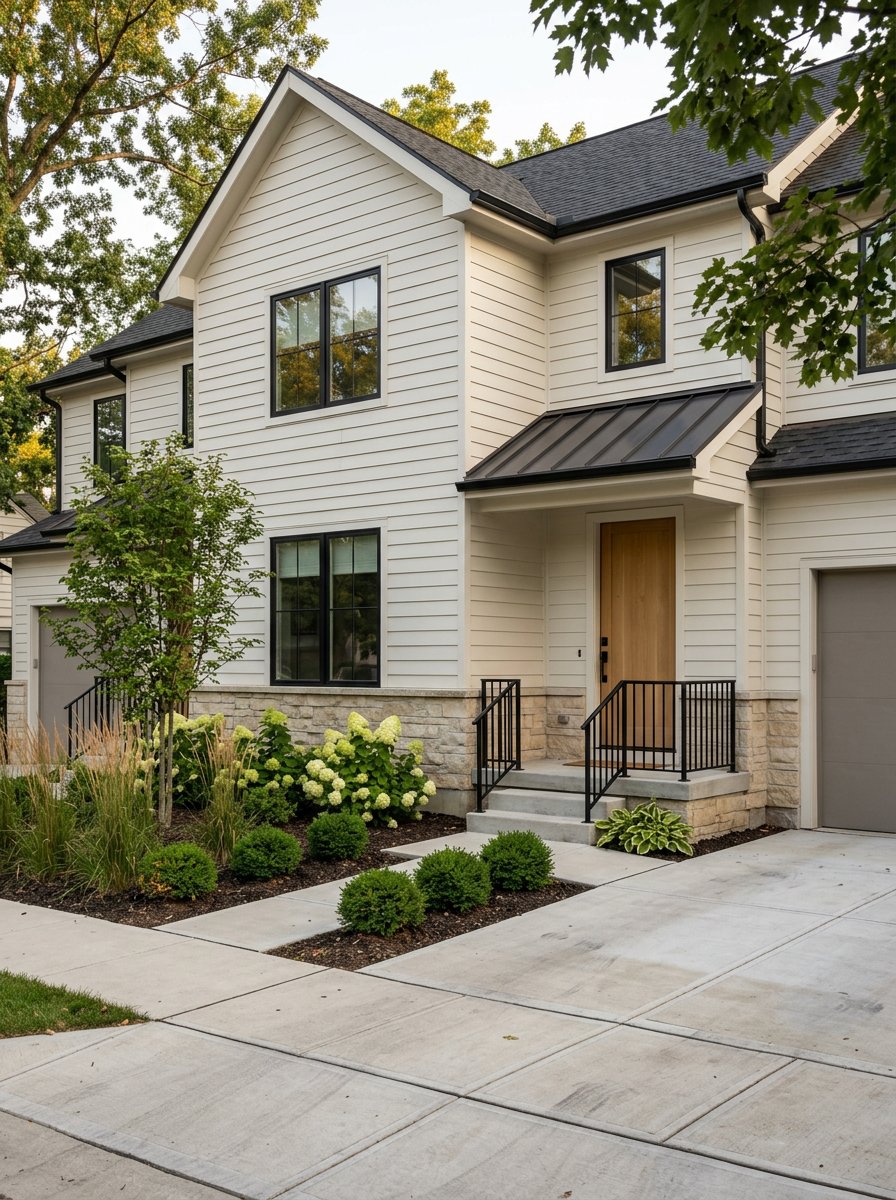
Wondering if a townhome in Plymouth could simplify your life without sacrificing space, comfort, or location? You’re not alone. Many buyers here want a clean, easy place to live with less weekend maintenance and great access to work, parks, and schools. In this guide, you’ll learn what to expect on pricing, HOA fees, commute options, school boundaries, and the resale factors that matter most. Let’s dive in.
Why Plymouth fits low-maintenance living
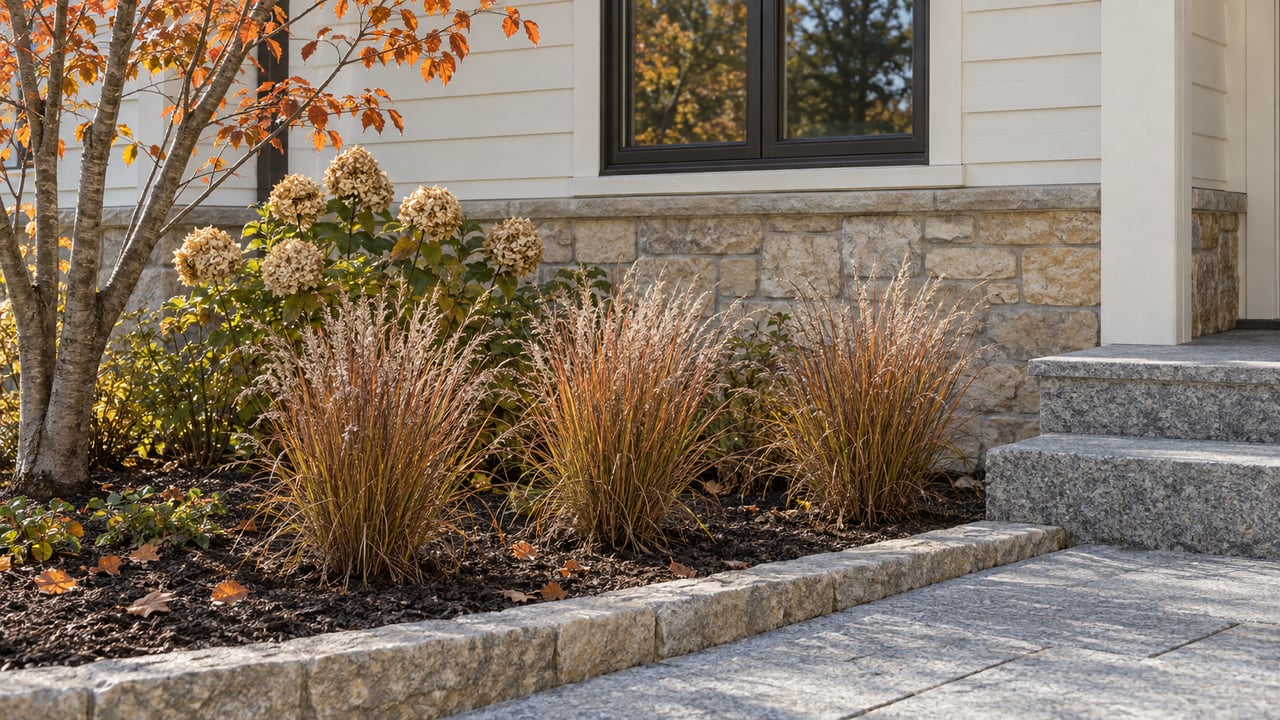
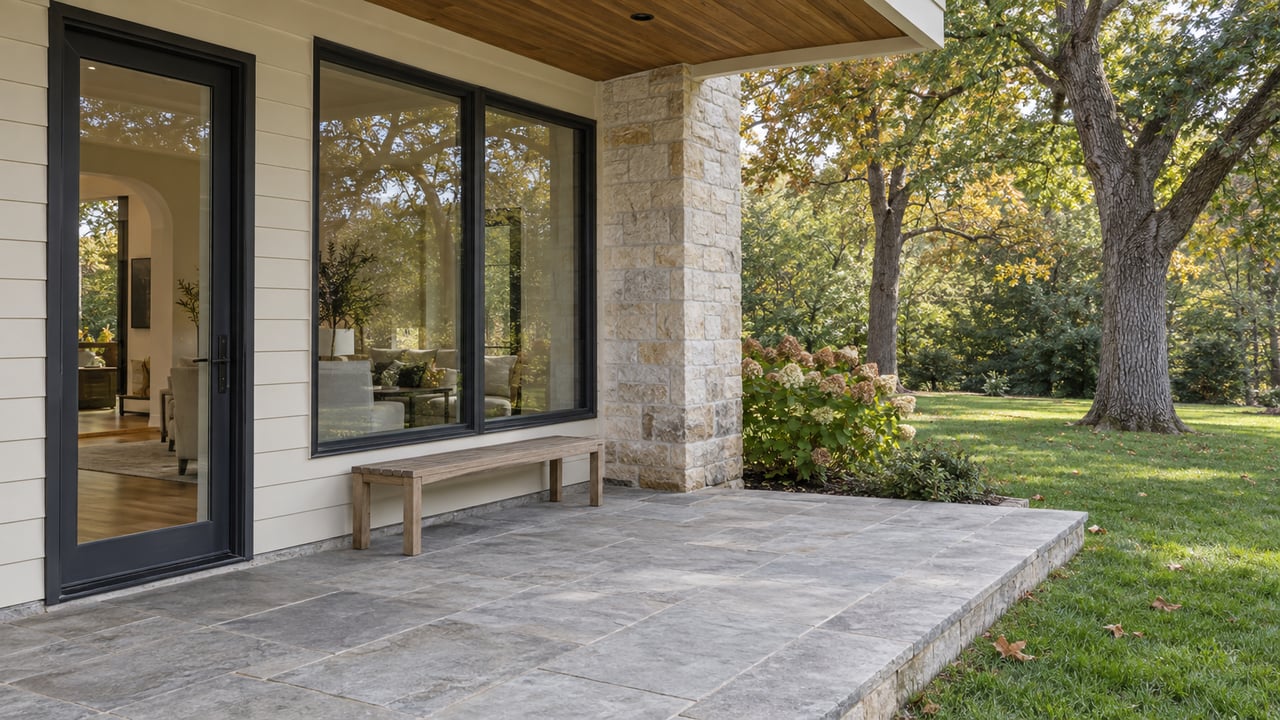
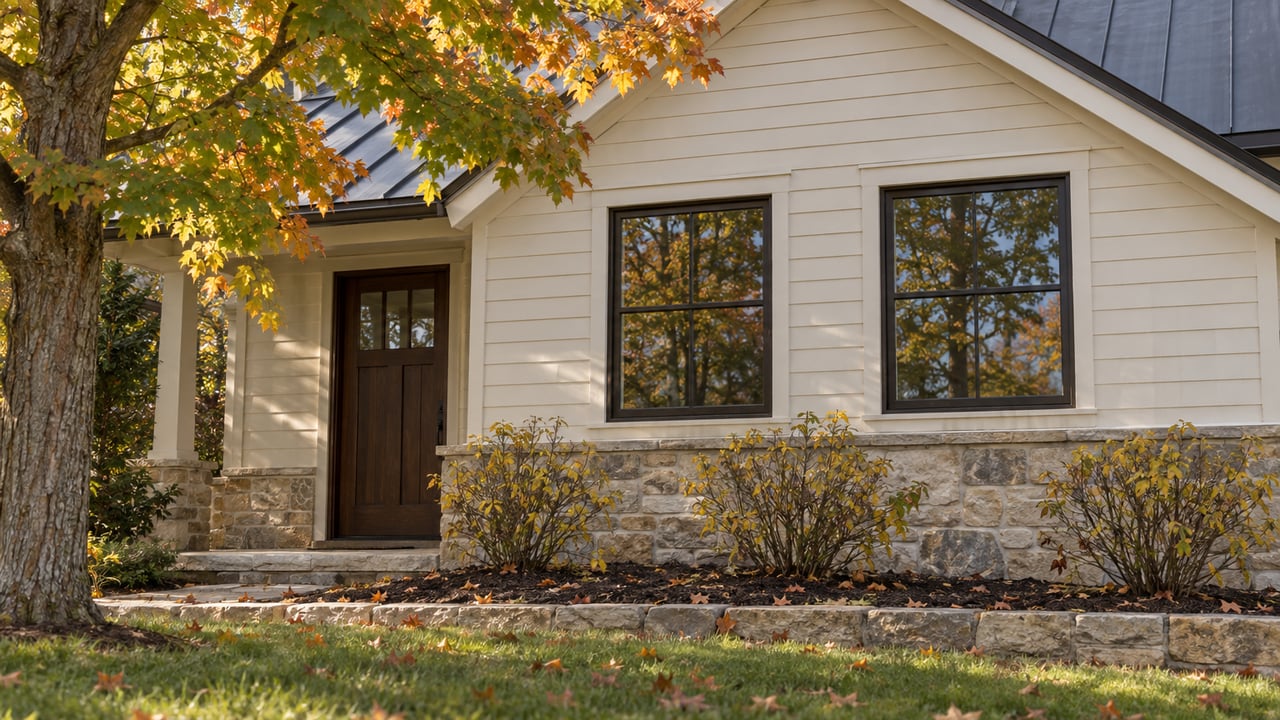
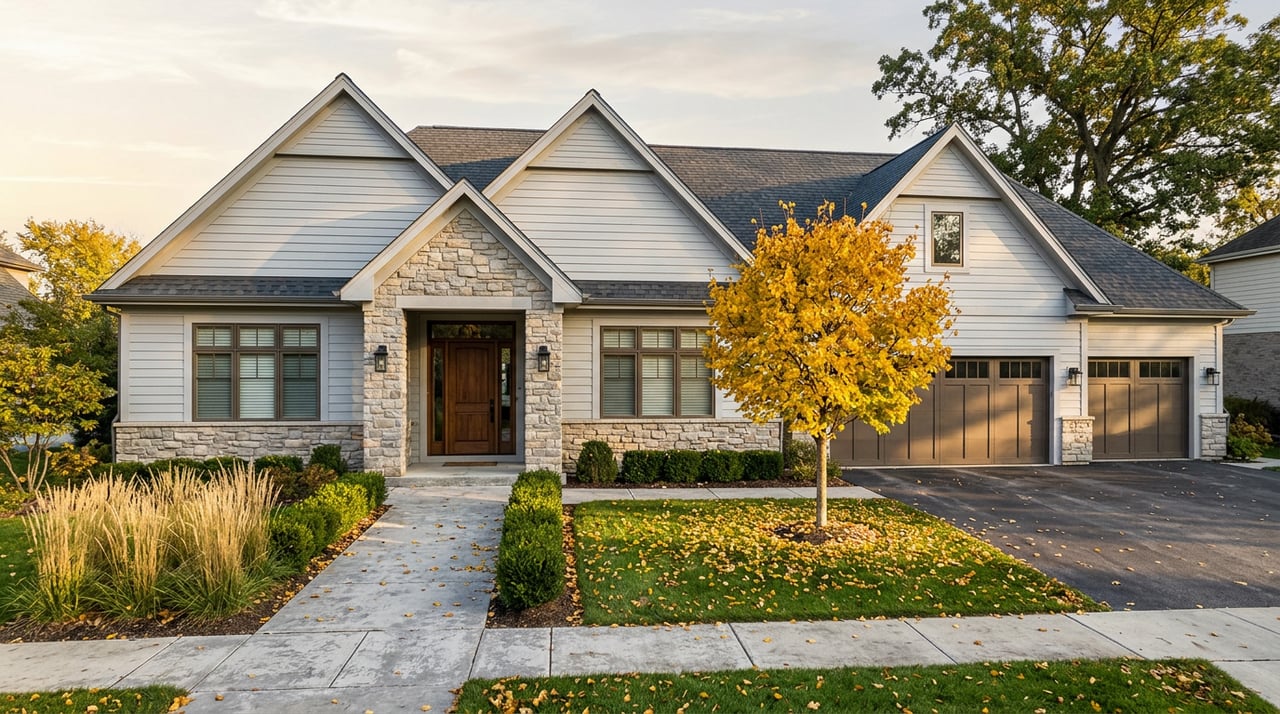
Plymouth blends suburban convenience with strong neighborhood services, parks, and shopping. Townhomes, twin homes, and condominiums give you more choice and often come with exterior maintenance and snow removal handled by an association. That setup is ideal if you’re busy, traveling often, downsizing, or just done with yard work.
You’ll find a range of attached housing styles across the city. Many communities offer one-level living, attached garages, and access to nearby trails and retail. Newer villa and twin-home communities often bundle lawn and snow care, which keeps upkeep predictable and time-light.
What you can expect to pay
Most buyers see that townhomes and condos trade below detached single-family homes in Plymouth. A wide range of attached options show up in the market, with many townhomes and villas appearing in the roughly $300,000 to $600,000 band depending on size, age, location, and finishes. Older two-bedroom condos can list lower, while newer, larger villa-style homes with upgraded interiors and garages trend higher.
Because market medians vary by data provider and by month, your best next move is to request a neighborhood-level MLS snapshot for the specific community you’re targeting. That gives you the most accurate apples-to-apples comparison for age, size, finishes, and HOA coverage.
Home types you’ll see
- Side-by-side townhomes with separate foundations and garages. These are common, often owner-occupied, and popular with both first-time buyers and downsizers.
- Twin homes and duplex-style villas that live like a single-family home with smaller yards and HOA lawn/snow services.
- Low-rise condominiums, including walk-up buildings and stacked units. Many are older and can have different fee inclusions, like some utilities or underground parking.
- Detached villas and one-level homes within HOA communities that market themselves as maintenance-free or maintenance-light.
Neighborhood examples to know
- East Plymouth and the Station 73 park-and-ride corridor near Highway 55 appeal to downtown commuters who want express-bus access and a shorter drive window.
- Northwest Plymouth features newer planned communities and villas. The Hollydale neighborhood is a useful example of current builder offerings and amenity packaging in this part of town. You can explore the community details on the builder’s page for Hollydale by Hanson Builders.
HOA fees made simple
Association dues in Plymouth vary widely because each community includes different services. You will commonly see fees in a broad range, often a few hundred dollars per month, with higher dues in buildings that include more utilities, amenities, or professional management.
What HOA fees often cover:
- Exterior maintenance, roof and siding care, and common-area landscaping
- Snow removal and trash service
- Master insurance on the building’s exterior, with owners carrying an HO-6 policy for the interior
- Shared amenities when present, such as a pool or clubhouse
- Some utilities in certain condo buildings (water, heat in some cases), which can raise dues but reduce separate monthly bills
How to evaluate an HOA
- Review the budget and reserve study. A well-funded reserve protects you from big surprise assessments. If there is no reserve study, that is a risk flag.
- Read the last 12 to 24 months of meeting minutes and the most recent financials. Look for special assessments, insurance premium spikes, or large recurring expenses.
- Confirm master insurance coverage and what you, as the owner, must insure. Ask about deductibles and what the master policy replaces.
- Check rules that affect lifestyle and resale: rental caps, short-term rental policies, pet limits, parking, and architectural restrictions. These rules can impact financing and future buyer demand.
- Identify who manages the property and the maintenance schedule for roofs, siding, pavement, and other capital items.
Commute and transit options
Plymouth’s mean one-way commute time is about 22 to 23 minutes, which is a helpful baseline if you compare suburbs across the metro. You can see this town-level figure in the U.S. Census QuickFacts.
- Highway 55 and I-394 provide the most direct reach to downtown Minneapolis from eastern Plymouth. Many residents pair that with the Station 73 park-and-ride.
- I-494 and County Road 101/Carlson Parkway connect you quickly to west-metro job centers in Minnetonka, Eden Prairie, and Maple Grove.
- Plymouth Metrolink express buses and the Click-and-Ride on-demand shuttle give you options to reduce drive time and parking costs. Always check current schedules and any road projects before setting expectations for peak-hour travel.
In practice, off-peak downtown drives from east Plymouth can land in the 20 to 30 minute window, while peak travel can stretch beyond 30 to 45 minutes depending on origin, traffic, and express-lane rules.
Schools and why they matter for resale
School district boundaries in Plymouth vary by address, and many buyers consider this when choosing a townhome community. Much of the city is served by Wayzata Public Schools, with other areas served by Robbinsdale Area Schools and Osseo Area Schools. Always verify the assignment for the exact property address using district tools.
- Use the Wayzata Public Schools district map to confirm boundaries.
- For Robbinsdale, visit the Robbinsdale Area Schools enrollment page for information.
- For Osseo, the District 279 site map links to boundary tools and resources.
From a resale standpoint, clear school assignment, proximity to parks and retail, and access to commute corridors can expand your future buyer pool.
What boosts resale value for attached homes
- Strong, transparent HOA with healthy reserves and no looming special assessments
- Private garage or deeded parking, plus guest parking options
- Proximity to major corridors or a park-and-ride for simpler commutes
- Clear school assignment information and easy access to trails, parks, and shopping
Risks to watch for include underfunded reserves, frequent special assessments, pending litigation, or high investor occupancy that may limit some loan programs. Older low-rise buildings with deferred exterior work can price lower but may face large future assessments. Ask for and read the documents to understand real risk, not just the listing highlights.
How to compare two similar units
When two homes look alike on paper, dig deeper into the details that affect daily life and total cost of ownership.
- Fee coverage: What exactly does the HOA include and exclude? Are utilities included? Any pending special assessments?
- Financial health: How large is the reserve fund? When was the last dues increase and why?
- Parking and storage: Is the garage attached or underground? How many stalls? Is there storage for bikes or seasonal gear?
- Layout and exposure: One-level living vs. stairs, natural light, and views can all affect livability and resale.
- Capital items: Roof, siding, decks, and paving schedules matter, especially in older communities.
Step-by-step buyer checklist
- Verify the exact school assignment for the home’s address using district tools. Start with the Wayzata Public Schools map and check Robbinsdale or Osseo if applicable.
- Ask your agent for a neighborhood-level MLS pull of recent condo and townhome sales from the last 6 to 12 months for true comps.
- Request the full HOA document package early: budget, reserve study, bylaws and CC&Rs, meeting minutes for 12 to 24 months, master insurance certificate, delinquency report, management agreement, and any litigation notices. Have an experienced attorney or condo specialist review them.
- Confirm fee inclusions and any upcoming changes. Ask what the most recent dues increase was, why it happened, and whether any special assessments are planned.
- Check financing constraints with your lender. Some programs have rules around owner-occupancy levels or reserves in the association. If needed, have the HOA complete a condo questionnaire.
- Order a full home inspection. Clarify in writing which items are owner responsibilities and which belong to the HOA.
- Talk to neighbors or the HOA board if possible. Ask about maintenance responsiveness, planned capital projects, and day-to-day living norms.
Quick glossary: HOA terms you’ll see
- Reserve fund: Savings set aside for future major repairs like roofs, siding, or pavement.
- Special assessment: A one-time charge to owners to cover a shortfall or a big capital project.
- CC&Rs: Covenants, conditions, and restrictions that outline community rules and property use.
- Master insurance policy: The association’s policy that typically covers exterior and common elements, while your HO-6 policy covers the interior and personal property.
Final thoughts
Plymouth offers a strong mix of low-maintenance homes with real lifestyle upside: parks and trails, nearby retail, and multiple commute paths. If you want simplicity without sacrificing location or comfort, a townhome, villa, or condo here can be a smart, flexible choice. The key is to match the right community and HOA structure to your budget and daily routine.
If you’re ready to explore current options, compare HOA packages, or review neighborhood-level comps, connect with Mark Geier for local, one-on-one guidance from search to close.
FAQs
What are typical HOA fees for Plymouth townhomes and condos?
- Many communities land in a few hundred dollars per month, with higher fees in buildings that include more utilities or amenities; always review the budget and reserve study to judge value.
How long is the commute from Plymouth to downtown Minneapolis?
- The mean one-way time is about 22 to 23 minutes town-wide, but peak traffic can extend drives to 30 to 45 minutes or more depending on your exact location and route.
How do I confirm which school serves a specific Plymouth address?
- Use district tools like the Wayzata Public Schools map, plus Robbinsdale’s enrollment page or Osseo District 279 resources, and then verify directly with the district.
What’s the difference between condo and townhome fees and maintenance?
- Condos often include more in the dues, like some utilities or underground parking, while townhomes and twin homes usually focus on exterior maintenance, lawn, and snow; always confirm inclusions in writing.
What factors boost resale value for Plymouth attached homes?
- Healthy HOA reserves, clear school assignment, attached or underground parking, and easy access to major corridors or a park-and-ride tend to widen the future buyer pool.
Should I still get a home inspection on a townhome or condo?
- Yes. Even if the HOA handles exterior items, a full inspection helps you understand interior systems and clarifies what is covered by the association versus the owner.