If you want a Minneapolis lifestyle where your daily routine can include a lake loop, a coffee stop, and errands without always getting in the car, the City Lakes area deserves a close look. This part of the city offers more than postcard views. It gives you a mix of trails, neighborhood business districts, and housing options that can support a genuinely walkable way of living. If you are just starting your search, understanding how these neighborhoods differ can help you focus on the right fit faster. Let’s dive in.
What “City Lakes” Means
When people talk about living near the Minneapolis City Lakes, they are usually referring to the Chain of Lakes system and the nearby neighborhoods that connect directly to it. A practical definition includes Brownie Lake, Cedar Lake, Lake of the Isles, Bde Maka Ska, and Lake Harriet, plus nearby areas like East Isles, East Bde Maka Ska, Cedar-Isles-Dean, Lowry Hill East, East Harriet, Linden Hills, and Kenwood.
What makes this area feel especially walkable is not just the lakes themselves. It is the way trails and neighborhood streets connect to day-to-day destinations. The Minneapolis Chain of Lakes Regional Park links major lakes and trails, and the Midtown Greenway directly serves East Isles, Lowry Hill East, Cedar-Isles-Dean, and nearby lake-adjacent areas.
Why Walkable Living Appeals to Buyers
For many buyers, walkability is about convenience as much as lifestyle. You may want easier access to outdoor space, nearby dining, or a neighborhood pattern that makes it simple to leave the car parked more often. Around the lakes, that can look very different from one neighborhood to the next.
That range is part of the appeal. Some areas feel more urban and apartment-oriented, while others lean more toward traditional residential streets with single-family homes. Instead of thinking of the City Lakes as one market, it is more useful to see it as a spectrum.
Daily Life Near the Lakes
Bde Maka Ska activity
Bde Maka Ska is one of the busiest and most active lakes in the area. The park includes beaches, a boat dock, fishing pier, picnic areas, walking paths, and rentals for canoes, kayaks, bikes, boats, and paddle boards.
Its loop trail measures 3.1 miles for pedestrians and 3.19 miles for bikes. If you picture a routine with regular walks, rides, or time on the water, this lake often sits at the center of that experience.
Lake Harriet amenities
Lake Harriet blends recreation with a strong neighborhood feel. The park includes a bandstand, beach, boat dock, garden, playground, and Bread & Pickle at the pavilion, along with free summer concerts and movies.
The pedestrian loop is 2.75 miles, and the bike loop is 2.99 miles. Seasonal events also shape the lifestyle here, with activities like summer programming and winter gatherings such as the Lake Harriet Winter Kite Festival.
Lake of the Isles feel
Lake of the Isles tends to feel quieter and more residential. Even so, it still offers strong recreational value, including canoe racks, a dog park, a fishing pier, and seasonal ice rink and warming room information.
The trail loop is 2.63 miles for pedestrians and 2.76 miles for bikes. If you want lake access in a setting that often feels calmer than Bde Maka Ska, this part of the corridor may stand out.
East Harriet green space
East Harriet adds another layer to daily life through nearby gardens and park spaces. The neighborhood is associated with Lyndale Park Gardens, Rose Gardens, the Thomas Sadler Roberts Bird Sanctuary, and many walkable paths.
For buyers who want green space to feel woven into everyday life, this matters. You are not just near a lake. You are also near connected outdoor destinations that support regular walks and neighborhood routines.
Neighborhoods With Different Walkable Lifestyles
East Isles and East Bde Maka Ska
East Isles is one of the lake neighborhoods that can feel denser and more urban. Its neighborhood association notes that more than 50 shops and restaurants line its south and east borders, and the Midtown Greenway runs through the neighborhood.
East Bde Maka Ska also has a compact, convenient commercial presence. Its neighborhood directory includes coffee shops, Thai food, restaurant-bars, ice cream, a bookstore, a theater, and rentals. If your ideal setup includes quick access to both the lake and local businesses, these two neighborhoods are worth serious consideration.
Lowry Hill East
Lowry Hill East is another strong option if you want a denser city feel. Its historic development was shaped by streetcar expansion in the late 1800s and early 1900s, and that legacy still shows up in the neighborhood pattern and housing stock.
This area can make sense if you want to stay close to the lakes while keeping an urban street grid and connected feel. It often appeals to buyers who value historic character and proximity to amenities over a more quiet residential setting.
East Harriet and Linden Hills
East Harriet and Linden Hills often appeal to buyers looking for a more traditional neighborhood feel near the lakes. East Harriet includes many two-story homes set back from the street, while Linden Hills is known for its village-style character and two business districts.
Linden Hills stands out for its mix of green space and daily conveniences. The neighborhood directory includes cafés, restaurants, a co-op, a farmers market, a bike shop, a library, and other day-to-day services. If walkability to both parks and practical errands matters to you, Linden Hills is often one of the clearest examples in the area.
Kenwood and Cedar-Isles-Dean
Kenwood sits at the higher end of the market and is known for its park-like setting, mature trees, scenic views, and preserved architecture. Housing styles in the neighborhood include Victorian, Tudor, Queen Anne, Regency, and Prairie School homes.
Cedar-Isles-Dean functions a bit differently. The neighborhood sits between major corridors and lakes, with retail services concentrated on the south and west edges. For some buyers, that creates an appealing balance between quieter interior blocks and access to mixed-use areas nearby.
Housing Styles You’ll Find
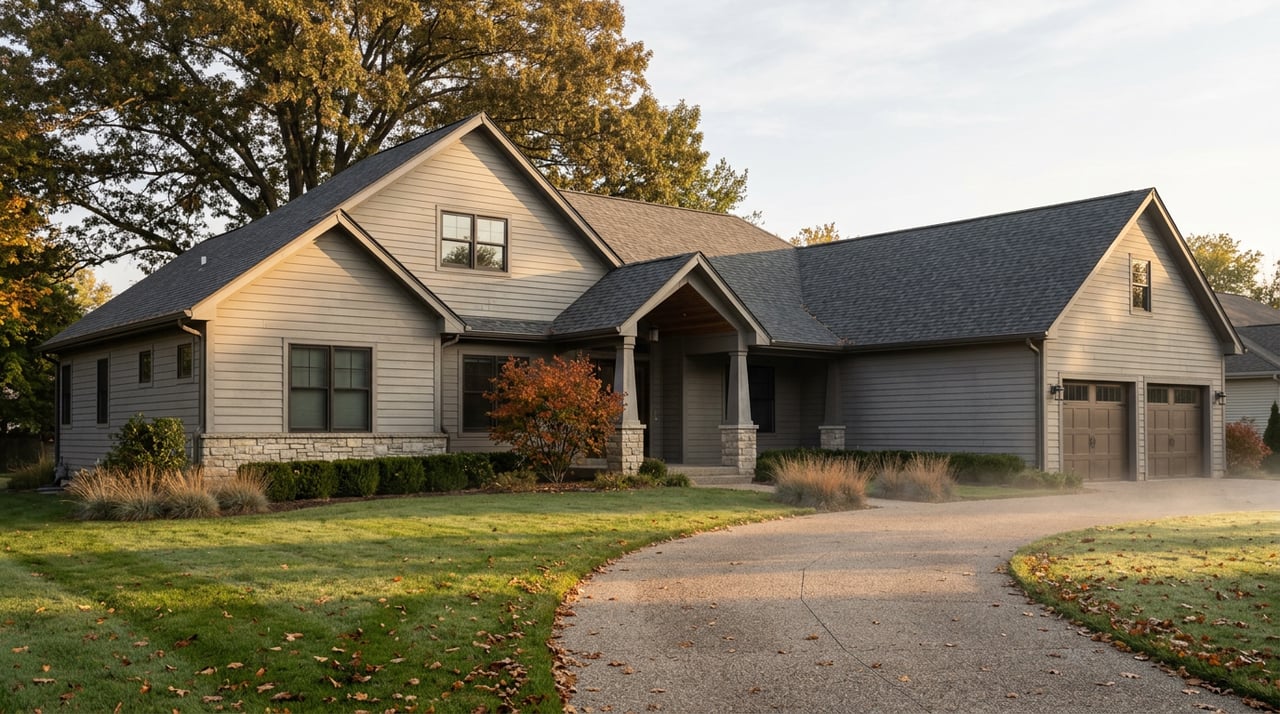
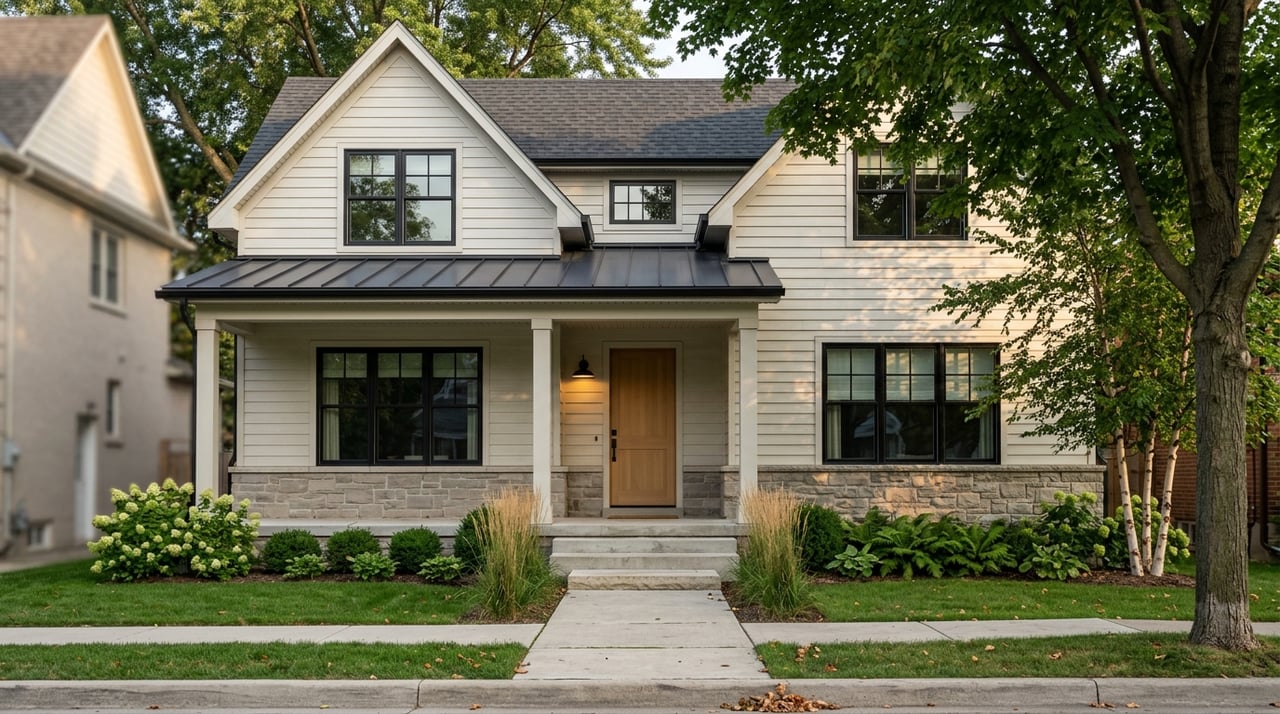
One of the most important things to know is that housing around the Minneapolis City Lakes is not uniform. Your options can shift quickly from condos and apartments to historic homes and larger single-family properties, sometimes within a short distance.
In East Isles, the housing mix has long included 19th-century homes, modern apartment buildings, and newer condo development. Lowry Hill East is known for 2- to 2.5-story wood-frame homes with styles such as Colonial Revival and Queen Anne, along with Prairie School and Craftsman examples.
East Bde Maka Ska includes primarily single- and two-family homes in the interior, with small-scale retail and medium- to high-density mixed use at the edges. East Harriet includes styles such as Colonial Revival, midcentury modern, Victorian, and Craftsman bungalows.
In Linden Hills, the neighborhood’s streetcar-era roots still shape the housing stock, and Craftsman-style homes are common alongside newer condo projects. Kenwood is the standout if you are looking for larger historic homes and a more luxury-oriented setting.
What Prices Look Like
Price is one reason it helps to think of the City Lakes as a spectrum. As of March 31, 2026, Zillow puts the Minneapolis citywide average home value at $330,882, with a median list price of $299,900. The lake-area neighborhoods span a much wider range.
Lowry Hill East shows a typical value of $274,411 and a current median asking price around $375,000. East Isles shows a typical value of $331,484 and a current median list price of $335,800.
Cedar-Isles-Dean shows a typical value of $401,030 and a current median list price of $638,267. East Bde Maka Ska has a typical value of $430,809, with examples in the neighborhood ranging from a condo near $331,000 to a single-family listing at $1.195 million.
East Harriet shows a typical value of $458,704 and a current median listing price of $557,000. Linden Hills reaches a typical value of $663,419 and a current median list price of $765,000, while Kenwood stands at a typical value of $1,128,167 and a current median listing price of about $2.2 million.
A practical takeaway is that condos and smaller homes near the lakes often fall in the high-$200,000s to $500,000s. Move-up single-family homes often land in the $500,000s to $800,000s, while Kenwood can extend well above $1 million.
How to Choose the Right Fit
Start with your routine
A walkable neighborhood only works if it matches how you actually live. Think about whether you want your daily rhythm to center on trail access, nearby restaurants, a farmers market, a village business district, or quieter streets with scenic walks.
That answer can narrow the field quickly. East Isles, East Bde Maka Ska, and Lowry Hill East may appeal more if you want an urban lake lifestyle, while East Harriet and Linden Hills may fit better if you want more traditional neighborhood patterns near the water.
Match budget to neighborhood type
Your budget will also shape where to focus. If you are looking for an entry point near the lakes, condos, smaller homes, and denser neighborhoods may offer more options than areas with a stronger concentration of higher-priced single-family properties.
If you are shopping for a larger move-up home or a premium property, your search may tilt more toward East Harriet, Linden Hills, Cedar-Isles-Dean, or Kenwood. Knowing that upfront can save time and keep your expectations realistic.
Look beyond the headline
Two homes near the lakes can offer very different experiences even if they are close on a map. One may put you steps from a business district and bike connection, while another may offer a quieter block with a more residential feel.
That is why neighborhood-by-neighborhood guidance matters. Walkability is not just a score or a label. It is the way streets, trails, housing, and destinations come together in your daily life.
If you are comparing walkable neighborhoods in Minneapolis or weighing a move that balances lifestyle and long-term value, working with an experienced advisor can make the search much more focused. Mark Geier brings a highly personal, single-point-of-contact approach, clear market perspective, and the kind of steady guidance that helps you make confident real estate decisions.
FAQs
What neighborhoods are considered part of the Minneapolis City Lakes area?
- A practical definition includes the Chain of Lakes system and nearby neighborhoods such as East Isles, East Bde Maka Ska, Cedar-Isles-Dean, Lowry Hill East, East Harriet, Linden Hills, and Kenwood.
What makes Minneapolis City Lakes neighborhoods walkable?
- The area combines lake loop trails, connected park spaces, neighborhood business districts, and routes like the Midtown Greenway that support walking and biking for both recreation and daily errands.
Which Minneapolis lake neighborhoods feel more urban?
- East Isles, East Bde Maka Ska, and Lowry Hill East generally offer a denser, more urban feel with easier access to shops, restaurants, and multifamily housing options.
Which Minneapolis lake neighborhoods have more traditional single-family homes?
- East Harriet and Linden Hills are often associated with a more traditional residential feel, with stronger single-family representation and easy access to parks, trails, and neighborhood-scale retail.
What do homes cost near the Minneapolis City Lakes?
- The market varies widely by neighborhood, with condos and smaller homes often in the high-$200,000s to $500,000s, many move-up single-family homes in the $500,000s to $800,000s, and Kenwood often well above $1 million.