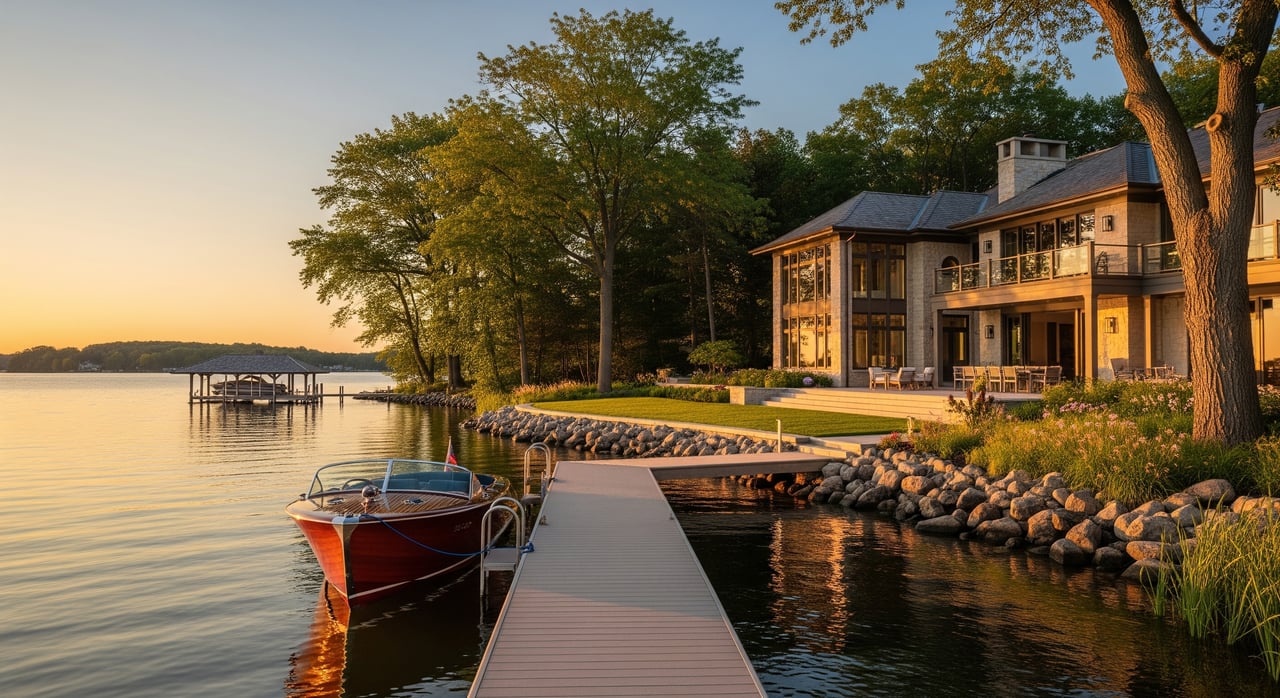
Two lake homes on the same shoreline can be priced miles apart. If you have ever wondered why, you are not alone. On Lake Minnetonka, especially around Minnetrista, small, non‑replicable features at the water’s edge drive big swings in value. In this guide, you will learn the key factors that move price, how to weigh tradeoffs, and a simple checklist you can use on showings. Let’s dive in.
Lake Minnetonka pricing basics in Minnetrista
Lake Minnetonka is a collection of micro‑markets. Prices shift from one bay or cove to the next based on frontage, water depth, view, and access. Because these traits are unique to each lot, comparable sales work best when you focus on the same bay, similar frontage, and similar depth at the dock.
Buyer goals matter. Boaters pay premiums for deep water and quick access to marked channels. Privacy‑seekers prize calm bays and long, natural shorelines. Entertainers lean toward wide views and sunset exposure. Downsizers value low‑maintenance shoreline and easy dock access.
The biggest price drivers
Frontage and lot shape
Frontage is one of the strongest single influences on value. More usable shoreline typically means higher demand. A broad, rectangular lot often offers the most flexible building envelope and yard space near the water. Long, narrow or panhandle lots can show big frontage on paper but deliver less usable space at the shore.
What to verify:
- Measured water frontage in county records and the usable portion at the water’s edge.
- Setbacks, easements, and any paths or access that affect privacy or buildable area.
Water depth and access
Depth at the end of the dock and nearshore depth matter if you plan to keep a larger boat. Deep water and proximity to marked navigation channels increase functional value and boating convenience. Shallow frontage with a short run to a deep channel can be a smart compromise for some buyers.
What to verify:
- Bathymetry near the dock and distance to the nearest channel.
- Any dredging history or restrictions that could affect access.
Bay vs main lake location
Main‑lake frontage often commands premiums for open‑water views and quick, long runs. It can also bring more wind, wake, and traffic. Protected bays are popular with swimmers, families, and those who prefer calm water and quieter settings, though the tradeoff can be a smaller vista or a longer ride to open water.
What to verify:
- Distance to main‑lake channels and typical seasonal boat traffic patterns.
- Presence of any speed, wake, or quiet zones nearby.
Views and lot orientation
View quality includes width of the sightline, obstructions, and sun exposure. South and southwest orientations bring more afternoon sun and potential sunset views. Elevated lots can capture long views even with modest frontage.
What to verify:
- Trees or structures that block sightlines and the potential for future obstructions based on local height limits.
- Seasonal sun patterns that affect comfort and energy use.
Shoreline type and condition
Shorelines vary across sandy beach, vegetated slope, rock or bedrock, riprap, and seawalls. Sandy, usable beach areas raise recreational appeal. Riprap and rock resist erosion and can reduce maintenance over time, though they may limit easy beach access. Seawalls can signal prior erosion and future repair needs.
What to verify:
- Permit history for shoreline work, current condition, and any known erosion.
- Whether any shoreline features encroach into public trust areas or recorded easements.
Dockage and mooring
A permitted private dock that fits your boat is a major value point. Covered slips and boathouses, where allowed, are premium features and require careful permit and condition review. Community or marina slips can substitute for private dockage, though most buyers still value on‑site convenience higher.
What to verify:
- Dock and boathouse permit status, inclusion in the sale, and condition.
- Seasonal versus year‑round use and any shared agreements.
Proximity to amenities and marinas
Convenience to marinas, restaurant clusters, and town centers increases appeal for many second‑home and lifestyle buyers. The tradeoff is potential for increased boat traffic and noise near popular hubs. More isolated areas can be quieter but add drive time for dining and services.
What to verify:
- Driving and boating times to marinas, restaurants, and everyday services.
- Neighborhood association amenities and any rules affecting use or parking.
Regulations, environment, and infrastructure
Rules and infrastructure shape what you can build and how you use the shoreline. Dock and watercraft regulations, shoreland zoning, and public waters permits all matter. Septic system status, municipal sewer or water, floodplain designation, and erosion history affect value, financing, and insurance.
What to verify:
- Permit compliance for docks, boathouses, and shoreline work.
- Septic age and records, utility availability, and current floodplain maps.
Maintenance and insurance costs
Waterfront ownership often carries higher ongoing costs. Shoreline stabilization, dock replacement, boathouse upkeep, and tree management can add up. Insurance considerations vary with replacement costs, water‑related risks, and any flood zone requirements.
What to verify:
- Past costs for shoreline and dock work and any claim history.
- Typical homeowner and flood insurance requirements for the parcel.
Quick scoring checklist you can use
Use this simple three‑point rubric to compare properties in Minnetrista. Score each item as High (3), Medium (2), or Low (1), then multiply by the weight and total your score.
Weights:
- Frontage usability and length — 20
- Water depth and boat access — 20
- Shoreline type and condition — 15
- View quality and orientation — 15
- Dock and boathouse situation — 10
- Proximity to amenities — 10
- Regulatory and maintenance risk — 10
How to score:
- High (3): Best‑in‑class for your needs, such as more than 100 feet of usable frontage, 6 feet or more depth at the dock, or a permitted private boathouse.
- Medium (2): Typical or acceptable, such as 50 to 100 feet of frontage, adequate depth with a short channel run, or a shared dock.
- Low (1): Limiting for many buyers, such as less than 50 feet of frontage, shallow water needing a long run to a channel, or no dock with open permit issues.
How to use it:
- Pick the weights that match your priorities, then score each attribute during showings.
- Compare total scores across similar bays or shorelines for apples‑to‑apples decisions.
- Re‑weight for your goals. Boaters often increase the depth and dock weights to 30 or 40 combined.
Example tradeoffs:
- Scenario A: Short main‑lake frontage with big views and immediate channel access. Depth and view score high, frontage moderate. Great for boaters and entertainers.
- Scenario B: Long frontage in a protected bay with a sandy beach but shallower water. Frontage and shoreline score high, depth lower. Great for families and swimmers.
- Scenario C: Elevated lot with modest frontage, panoramic views, and easy road access. View and orientation high, frontage moderate. Can compete with larger low‑lying lots.
Buyer priorities and smart tradeoffs
Boater and entertainer profile
If you plan to boat often or host on the water, prioritize deep water at the dock, quick channel access, and ample dock capacity. Next, look for wide views and south or west orientation for afternoon light and sunsets. Accept moderate frontage if the boating and view boxes are checked.
Checklist:
- Depth at the end of the dock and distance to channels.
- Dock permits and capacity for lifts or multiple watercraft.
- Wake exposure tolerance and mooring protection.
Family and privacy‑focused profile
If calm water and a kid‑friendly shoreline matter most, focus on protected bays with usable sandy or gently sloped frontage. Long frontage and tree cover can add privacy and swimming comfort, even if the run to open water is longer.
Checklist:
- Usable frontage and beach potential.
- Typical boat traffic and any quiet zones nearby.
- Lot layout for safe play areas near the shore.
Downsizer and low‑maintenance profile
If ease and upkeep are priorities, look for established stabilization like riprap, straightforward dock access, and single‑level living options. Convenience to marinas and services can be a plus, even if frontage is modest.
Checklist:
- Shoreline stabilization condition and permit history.
- Dock accessibility and seasonal removal requirements.
- Utility availability and septic status.
Verify before you write an offer
- Dock and boathouse permits, inclusion in sale, and condition.
- Bathymetry at the dock and distance to navigation channels.
- Shoreline work history and any required permits for past or future work.
- Septic age, last inspection, or municipal sewer availability.
- Floodplain status, erosion history, and insurance requirements.
- Recorded covenants, HOA rules, setbacks, and buildable envelope.
Local resources to consult
- Lake Minnetonka Conservation District for dock, watercraft, and speed or wake rules.
- Minnesota Department of Natural Resources for bathymetry and public waters permitting.
- Hennepin County Property and GIS for parcel maps, frontage measurements, and records.
- City of Minnetrista planning and zoning for shoreland permits and local rules.
- FEMA and NFIP for floodplain maps and guidance.
- Lake Minnetonka Association, marinas, and neighborhood associations for local traffic patterns and marina access context.
Ready to evaluate your shoreline?
If you are buying or selling on the Minnetrista side of Lake Minnetonka, a precise read on frontage, depth, views, and permits can add real dollars to your outcome. You get experienced guidance and a single point of contact from first tour to close. For a confidential conversation or a tailored pricing read on your property, reach out to Mark Geier. Request Your Free Home Valuation.
FAQs
How frontage vs depth affects Minnetrista prices
- Both matter, but usable frontage often drives demand broadly, while depth and access can command premiums for boating‑focused buyers.
Main‑lake vs bay pricing around Minnetrista
- Main‑lake locations often earn premiums for open views and quick runs, while protected bays trade view size for calm water and privacy.
Docks and boathouses on Lake Minnetonka
- Value depends on permits, condition, and capacity; confirm permit status and inclusion in the sale before you finalize terms.
Flood insurance needs near Lake Minnetonka
- Requirements depend on current floodplain maps and lender rules; check the parcel’s designation and insurance implications early.
Maintenance costs for Lake Minnetonka shorelines
- Expect higher upkeep for stabilization, docks, and tree management; review past invoices and condition to budget realistically.