If you could lace up your shoes and be on a lakeside trail in minutes, would you trade a bigger yard for that daily view? Around Minneapolis’s City Lakes, many people do. You get an urban address with green space, water, and year-round activity shaping your routine. In this guide, you’ll see what everyday life looks like around Bde Maka Ska, Lake of the Isles, Cedar Lake, and Lake Harriet, plus housing options, commute tips, and practical tradeoffs to consider. Let’s dive in.
The lakes and neighborhoods
Minneapolis’s “City Lakes” sit on the southwest side and include Bde Maka Ska, Lake of the Isles, Cedar Lake, and Lake Harriet. They are part of the Grand Rounds system, a signature chain of parkways and multi-use trails that loop the water and connect across the city. The setting feels resort-like in summer and peaceful in the shoulder seasons.
Popular nearby neighborhoods include Uptown near Bde Maka Ska, Linden Hills between Bde Maka Ska and Lake Harriet, and Kenwood and Lowry Hill near Lake of the Isles. Parts of Southwest Minneapolis also feel closely tied to the lakes, thanks to easy trail access and short walks or bike rides to the shoreline.
The Minneapolis Park and Recreation Board manages parks, trails, beaches, events, and many rules around the lakes. When you need details on facilities, rentals, or park hours, start with the Minneapolis Park and Recreation Board. Minnesota waters and boating rules are set by the DNR, so boaters should reference the Minnesota DNR LakeFinder for lake-specific info.
Outdoor life on your doorstep
Trails and Grand Rounds
One of the biggest perks here is how easy it is to get outside. The lakes plug into the Grand Rounds Scenic Byway, which offers roughly 50 miles of connected parkways and multi-use paved trails. You can walk, run, or bike around the lakes and link to routes across the city without getting in a car. For many residents, that daily loop becomes a favorite ritual.
Summer on the water
Warm months are prime time for swimming, paddling, and casual boating. Designated beaches at Bde Maka Ska and Lake Harriet are typically staffed in season, and you can often find kayak, canoe, or paddleboard rentals through park vendors. The Lake Harriet Bandshell hosts regular concerts and community events that draw sunset crowds. Boating rules and permits vary by lake, so check MPRB resources and the DNR before launching.
Winter routines
When the lakes freeze, the recreation does not stop. You will see people ice skating, cross-country skiing on groomed routes, walking with traction cleats, and even playing pond hockey when conditions allow. Minneapolis’s four-season climate shapes how you use the lakes, and many residents switch from bikes and paddles to skates and skis as the weather changes. For seasonal context and normals, visit NOAA’s National Centers for Environmental Information.
Community and conveniences
Park programming is active throughout the year. Outdoor concerts, art and music events, guided walks, and youth activities create a steady community rhythm, especially in summer. To plan your week and check current events or bandshell schedules, use the Minneapolis Park and Recreation Board site.
You will also have walkable access to cafes, restaurants, groceries, and boutique retail in nearby commercial nodes like Uptown and Linden Hills. Fitness studios and bike shops are common near the lakes, and many residents build a car-light routine around local errands and dining.
Expect crowds during peak months. On sunny weekends, parking fills fast near beaches and trailheads. Most lake-area residents lean on walking, biking, or short transit trips when the parks are busiest, which keeps the experience relaxed without hunting for a spot.
Homes and tradeoffs
Housing types
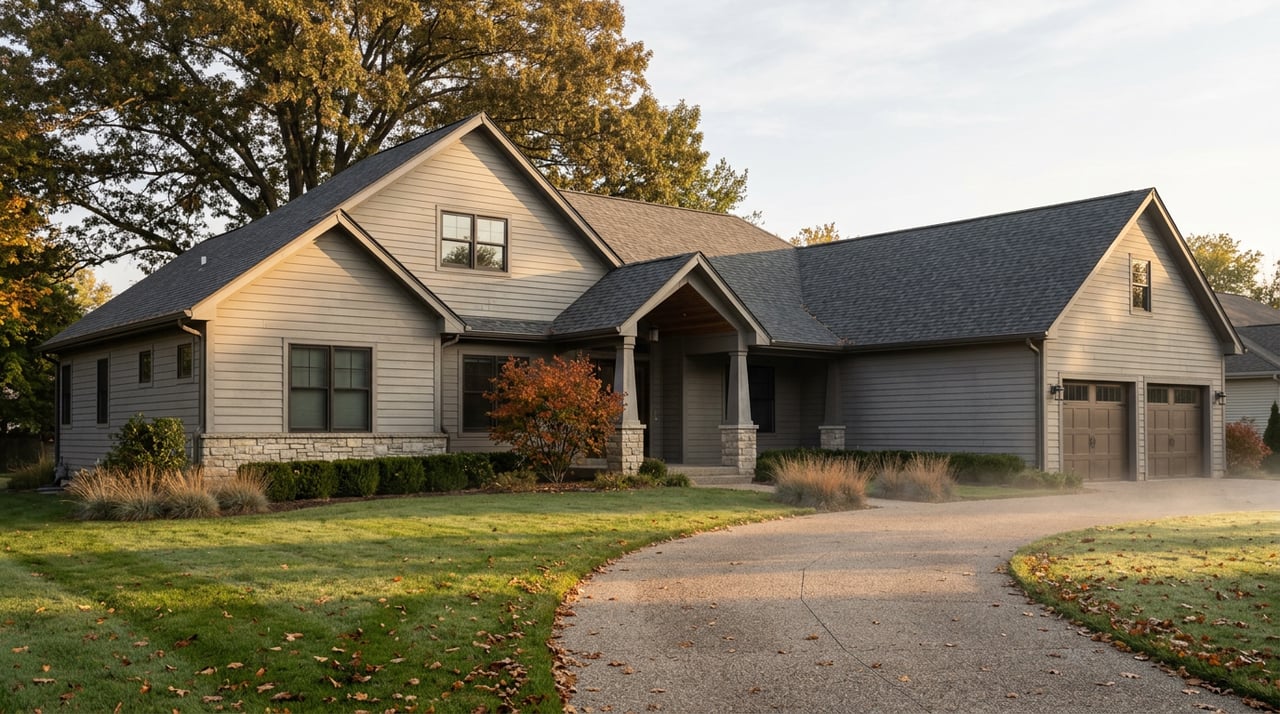
You will find a mix of housing around the lakes. There are historic bungalows, Tudors, and larger early-20th-century homes in Kenwood and Linden Hills, plus mid-century and newer single-family builds. Condominiums and apartments range from smaller walk-ups to full-service, high-end buildings.
What drives prices
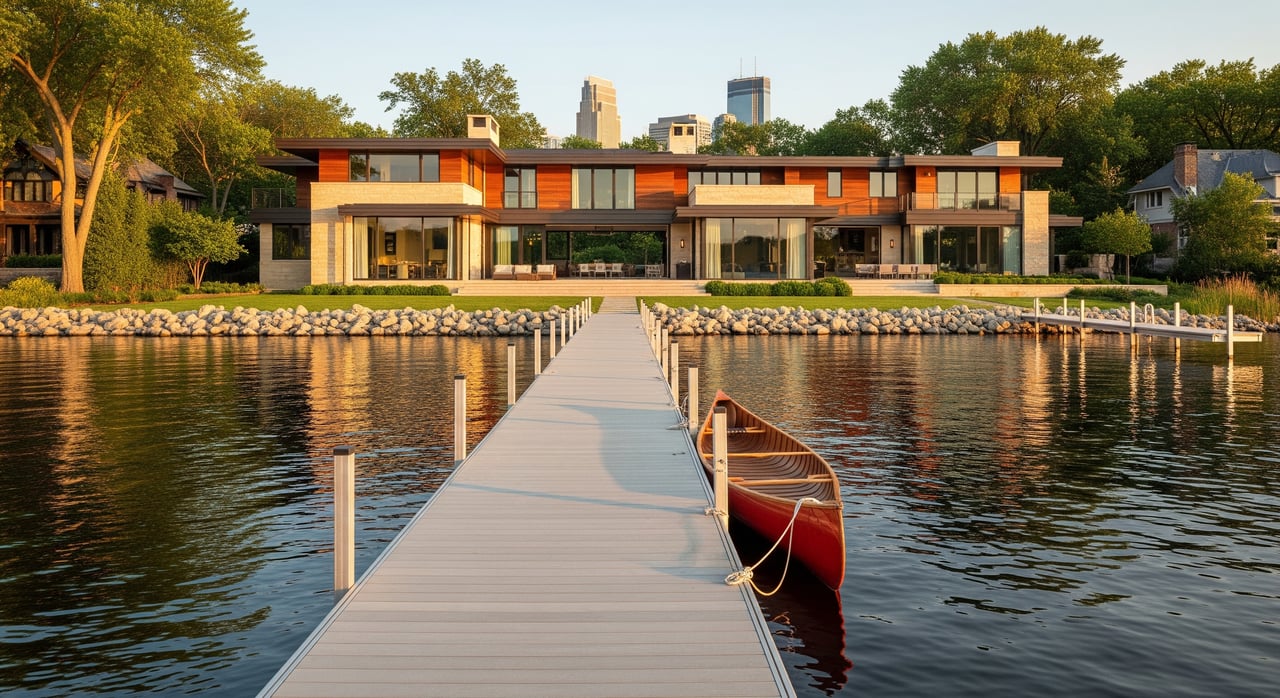
The closer you are to the shoreline, the higher the price. Views, proximity to a trail, and any form of direct water access carry a strong premium and tend to support solid resale demand when homes are well maintained. Immediate lakefront and water-facing properties are among the most expensive in the city.
Condos and HOAs
If you want a “lock-and-leave” lifestyle, condos near the lakes can be a smart fit. Tradeoffs usually include HOA fees, garage or street parking realities, guest policies, and any rental restrictions. Review association documents closely and consider how the building’s rules align with how you plan to live.
Older homes and maintenance
Many lake-area homes are older, which can mean projects. Drainage, foundation care, and basement waterproofing deserve attention near the water. Insurance can also be influenced by a home’s age and any basement flood or sewer backup risk, so talk to your insurer early. For property records and floodplain maps, start with Hennepin County property resources.
Short-term rental rules
If you are exploring a home with rental potential, be aware that the City of Minneapolis licenses and regulates short-term rentals. Rules can change, and different property types follow different requirements. You can find current guidance on the City of Minneapolis website.
Getting around
Commute and proximity
The lakes are just a few miles from downtown Minneapolis, which often means short off-peak car trips and manageable bike commutes. Typical bike times to downtown fall in the 15 to 30 minute range depending on your route and speed. Many residents mix modes during the week to keep things flexible.
Transit options
Metro Transit serves the lake neighborhoods with bus routes into downtown and across the city. Frequencies vary by corridor, and some routes offer express options during commute hours. Plan your trip using Metro Transit and consider combining a short bike ride with a bus transfer when you want a car-free day.
Bike and walk advantages
Dedicated multi-use trails ring the lakes and connect to protected lanes on nearby streets. That makes it practical to run errands, meet friends for dinner, or bike to work without navigating heavy traffic. Many people who move here find they comfortably shift to a one-car or car-light lifestyle.
Parking realities
Street parking can be tight near beaches and popular retail nodes, especially during events or summer weekends. Households with multiple vehicles or frequent guests may need to plan around permit zones or timed parking. If you value easy guest access, visit the block at different times before you buy.
Practical living tips
Water quality and AIS
Water clarity and algae conditions vary by season. Beaches can close temporarily if blue-green algae blooms or other issues are present. For lake-by-lake updates and clarity data, check the Minnesota DNR LakeFinder. Boat owners should follow aquatic invasive species rules and inspections listed on the DNR’s Aquatic Invasive Species guidance.
Events and noise
Concerts at the bandshell, festivals, and sunny-day crowds are part of the area’s charm. They also bring extra foot and vehicle traffic. If you prefer quieter evenings, compare different locations around the lakes and pay attention to event calendars and traffic patterns before you commit.
Pets and dogs
Dogs are welcome, with rules that vary by park and season. Expect leash requirements on trails and designated areas for off-leash time. Review current guidance on the Minneapolis Park and Recreation Board site so you know where and when to bring your pup.
Seasonal maintenance
Snow, ice, and cold shape winter routines. Sidewalk shoveling, ice melt, and careful driving or biking are part of life from late fall through early spring. If you own shoreline or store watercraft, plan time for fall winterizing and spring setup.
Quick checklist before you buy
- Walk or bike the lakes at different times of day to gauge traffic, parking, and noise.
- Test your commute during rush hour by car and by bike to see which feels best.
- Attend a bandshell concert or weekend event to understand peak-season energy.
- Confirm any permit needs for docks, shoreline changes, or boat storage with MPRB and the DNR.
- Review HOA documents if considering a condo, including parking, guest, and rental rules.
- Ask your insurer about coverage for older homes, sewer backup, and basement water risk.
- Check floodplain and property records through Hennepin County property resources.
- If you plan to rent part or all of the home, review the City of Minneapolis short-term rental requirements.
Is lake living right for you?
If you love being outside and want daily access to trails, water, and community events, the City Lakes make it easy to live the lifestyle you picture. You can keep an urban address while enjoying green space, casual boating, and a rich calendar of neighborhood activity.
If you want large garages, easy guest parking at all times, or the quiet you associate with a far suburb, you may prefer locations a bit farther from the shoreline. For many buyers, the trade is worth it. The payoff is a scenic loop out your front door and a neighborhood that comes alive in every season.
When you are ready to explore homes, get local guidance from a seasoned advisor who knows how lake amenities shape value and resale. For a thoughtful, single-point-of-contact experience, connect with Mark Geier to discuss your plans, compare options, and Request Your Free Home Valuation.
FAQs
What neighborhoods are closest to the Minneapolis City Lakes?
- Uptown, Linden Hills, Kenwood, and Lowry Hill border or sit near Bde Maka Ska, Lake Harriet, Lake of the Isles, and Cedar Lake, with parts of Southwest Minneapolis also closely connected by trails.
How busy do the trails and beaches get in summer?
- Expect heavy use on sunny weekends and evenings, which can limit parking; residents often walk, bike, or take transit during peak hours for a smoother experience.
Are motorized boats allowed on the City Lakes?
- Rules vary by lake, and permits apply; review MPRB guidelines and check the Minnesota DNR LakeFinder for lake-specific regulations before you launch.
What winter activities are common on the lakes?
- Ice skating, cross-country skiing on groomed routes, walking, and pond hockey occur when conditions allow; always verify ice safety and seasonal updates before heading out.
What should I know about short-term renting a lake-area home?
- Minneapolis licenses and regulates short-term rentals, with different rules by property type; confirm details on the City of Minneapolis website before listing.
How can I track water quality or algae-related beach closures?
- Use the Minnesota DNR LakeFinder for water clarity data and links to local advisories, and check MPRB updates for current beach status.