Moving to Eden Prairie on a tight timeline? You want a clear picture of commutes, daily conveniences, and where to focus your home search without sifting through endless pages. This quick orientation gives you the essentials you need to feel confident, from drive times and transit options to parks, retail hubs, and common housing types. You’ll walk away with a simple checklist and neighborhood cues that match your priorities. Let’s dive in.
Where Eden Prairie Sits
Eeden Prairie sits on the southwest edge of the Twin Cities in Hennepin County, about 10 to 15 miles from downtown Minneapolis. In typical traffic, you can expect a 20 to 35 minute drive to downtown under light conditions and 30 to 50 minutes or more during peak periods. The Minneapolis–Saint Paul Airport is roughly 20 to 30 minutes away by car depending on time of day. The city functions as a car‑centric suburb with a mix of established neighborhoods and newer planned developments.
Commute corridors and traffic
Key highways to know
- I‑494: The south beltway that links you to other suburbs and the airport.
- US‑169: A primary north‑south route into Minneapolis and neighboring suburbs.
- US‑212: Serves the southern side of Eden Prairie and connects to southwestern suburbs.
Peak‑hour patterns and tips
- The I‑494 and US‑169 interchange area is a common congestion point at rush hour.
- If you plan to commute to downtown Minneapolis, eastern neighborhoods near US‑169 can reduce travel time.
- Southern neighborhoods give you quicker access to I‑494 and US‑212 for cross‑metro trips.
Transit and park‑and‑ride
Express bus routes and park‑and‑ride lots offer direct service to downtown Minneapolis during peak hours. Some larger employers support shuttles or vanpools that make local commuting easier. As of mid‑2024, there is no direct light rail service to Eden Prairie, so plan around bus or car for most trips.
Bike and walk options
Eden Prairie has a usable trail network for in‑city trips, and many neighborhoods connect to multi‑use paths. Bike commuting works best for short local routes or if your workplace is within the city. For longer distances, most residents use a car.
Employment landscape
Corporate campuses and industries
Eden Prairie includes several office parks and corporate campuses that anchor the local job base. You will find employers in healthcare services and health‑plan operations, medical technology, professional services, retail distribution, and corporate headquarters. These clusters shape morning and afternoon traffic patterns around business parks.
If you work downtown
If your office is in downtown Minneapolis, plan on using US‑169 or a combination of I‑494 and connecting routes. Peak‑hour commutes vary, so timing a test drive during your expected schedule is smart. Express buses can be a helpful backup when traffic is heavy.
How to confirm current employers
To verify major employers or new hiring activity, check the City of Eden Prairie’s economic development pages, Minnesota DEED, LinkedIn company locations, and local business press. Employer lists shift as companies expand, relocate, or adjust hybrid schedules.
Parks, trails, and outdoor recreation
Green space and lakes
Eeden Prairie is known for accessible parks, lakes, and open space woven through neighborhoods. Several small lakes and wetlands create pockets of scenic property and occasional lakefront niches. If outdoor access is important, focus on neighborhoods with direct trail connections or near larger parks and lakes.
Trail connections
You’ll find multi‑use trails that support walking, running, and cycling, with links to regional systems and creek corridors. These routes offer practical family‑friendly options and connect to larger nature areas in nearby jurisdictions. Weekend outings to river bluffs and wildlife areas along the Minnesota River are close by.
Recreation facilities
Expect municipal recreation centers, athletic fields, community centers, and golf courses in or near city limits. Larger regional recreation areas are an easy drive for hiking, biking, and water access. Verify park hours, rules, and dog policies with the city’s parks department if those matter to your routine.
Town‑center amenities and services
Retail and shopping
The Eden Prairie Center mall anchors a major retail hub with department stores, national retailers, restaurants, and services. Smaller neighborhood centers provide groceries, pharmacies, and daily conveniences across the city. If walkable errands are a priority, look near central commercial nodes.
Dining, coffee, and nightlife
You’ll find a mix of national chains, family restaurants, and independent spots near the mall and around business parks. For broader nightlife or fine dining, downtown Minneapolis is a short drive. Many residents split their routine between local favorites and city destinations.
Healthcare and everyday services
Major regional healthcare providers operate clinics and offices in Eden Prairie, reflecting the area’s strong health‑related employment presence. Libraries, community centers, childcare, and fitness options are spread across commercial corridors. Confirm exact locations and hours on the city website as you narrow neighborhoods.
Housing snapshot and search strategy
Common home types
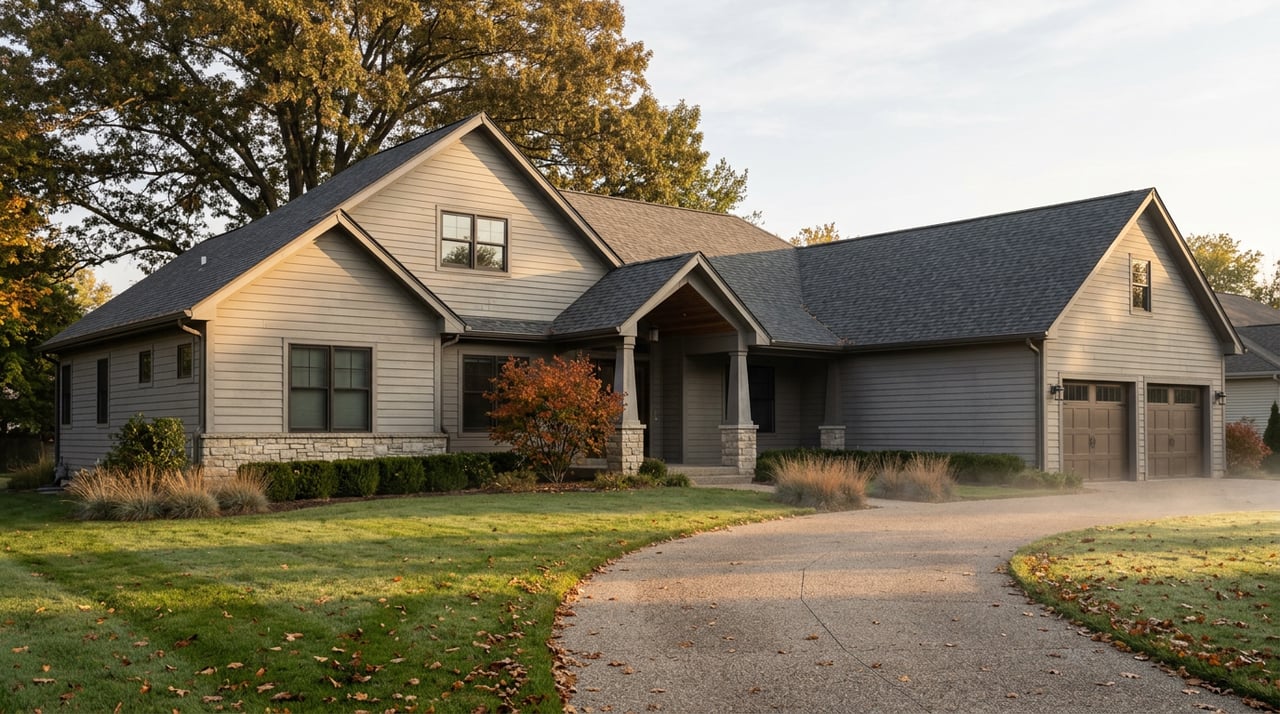
- Single‑family homes: Most neighborhoods feature ramblers and two‑story homes from the 1960s through the 1990s, plus newer builds from the 2000s to today.
- Townhomes and attached homes: Found near commercial centers and in several subdivisions, often chosen for lower maintenance.
- Condos and apartments: Clustered by retail and business parks, ranging from entry‑level to higher‑end communities.
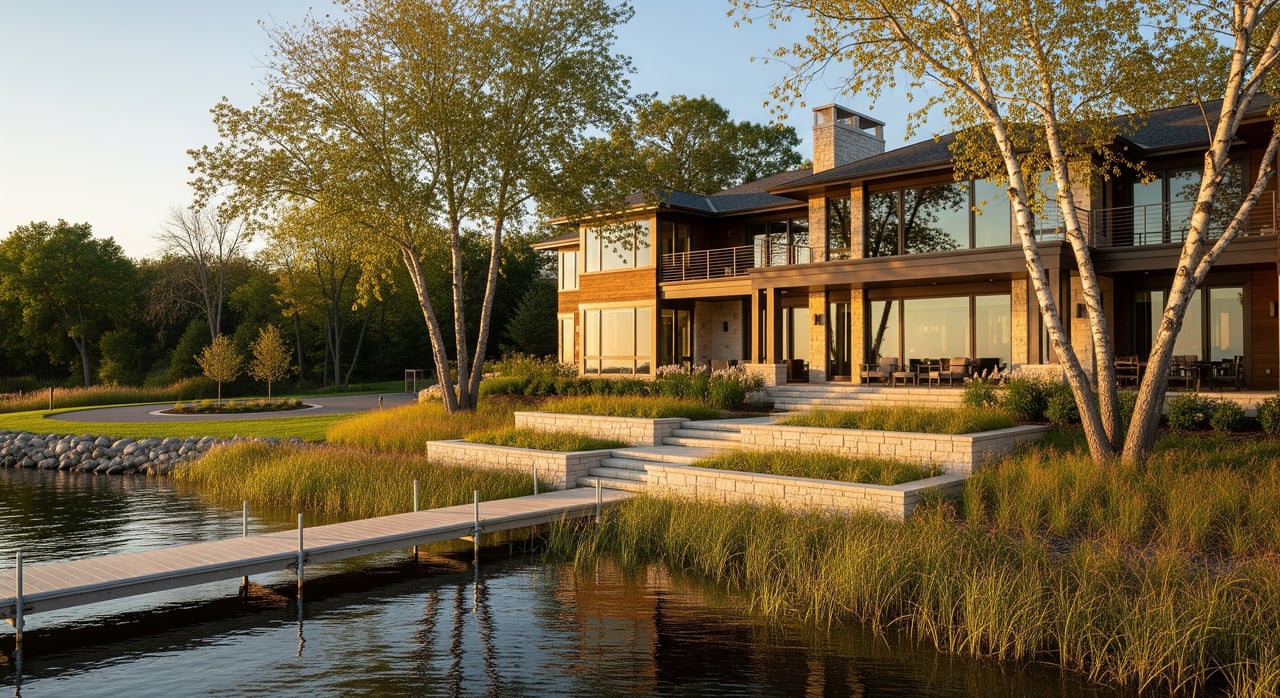
- Lakefront properties: Limited shoreline inventory commands a noticeable premium when available.
Price‑band orientation
- Entry/lower tier: Condos, small townhomes, and older or downsized single‑family homes. This tier prioritizes affordability and convenience.
- Mid tier: Typical single‑family homes in established subdivisions with moderate square footage and lot sizes.
- Upper tier: Newer construction, larger lots, renovated homes, or lakefront properties that trade at a premium.
Exact price ranges shift with market cycles and inventory, and Eden Prairie often commands a premium compared to many outer suburbs due to location and employment density. Use current MLS data and recent sold activity to set practical search filters.
Match neighborhoods to your goals
- Quicker drive to downtown Minneapolis: Focus on eastern areas near US‑169.
- Faster access to I‑494 and MSP: Southern neighborhoods close to I‑494 corridors.
- Near business parks: Neighborhoods by major office clusters minimize commute time.
- Recreation focus: Homes near lakes and large parks offer trail access and weekend convenience (inventory is often tighter here).
Quick relocation checklist
- Time your commute: Do a test drive during your actual rush‑hour window along your most likely route.
- Shortlist neighborhoods: Pick two or three areas near your workplace or corridor and review 30‑, 60‑, and 90‑day sold data.
- Choose the right home type: Decide if a low‑maintenance townhome/condo or a single‑family home fits your schedule.
- Map daily needs: Identify the nearest grocery, pharmacy, clinic, and childcare for each target neighborhood.
- Plan transit backups: Locate park‑and‑ride options and review express bus schedules if you will use transit occasionally.
- Verify special cases: For lakefront or trail‑adjacent properties, confirm floodplain, shoreline rules, and easements with the city.
How Mark helps you settle in
If you are relocating, you need clarity fast and a single point of contact who understands neighborhood trade‑offs. With more than 30 years of local experience and a concierge approach, Mark helps you prioritize corridors, schedule efficient tours, pull recent sold data, and compare low‑maintenance options against single‑family homes. You get negotiation insight, discreet representation, and guidance that connects your commute and lifestyle to the right property. When you are ready to narrow your search in Eden Prairie and the surrounding Lake Minnetonka corridor, reach out to Mark Geier.
FAQs
How long is the commute from Eden Prairie to downtown Minneapolis?
- Typical drive times range from about 20 to 35 minutes in light traffic and 30 to 50 minutes or more during peak periods, depending on your exact start and end points.
Does Eden Prairie have light rail or only buses for commuters?
- As of mid‑2024, there is no direct light rail service to Eden Prairie; most commuters drive or use express bus routes and park‑and‑ride lots during peak hours.
What areas are best for quick airport access from Eden Prairie?
- Southern neighborhoods with direct connections to I‑494 usually provide the fastest drive to the Minneapolis–Saint Paul Airport, with typical trips around 20 to 30 minutes depending on traffic.
What housing types are most common in Eden Prairie?
- Single‑family homes dominate, followed by townhomes and condos near retail and business parks; limited lakefront properties trade at a premium when available.
How is outdoor access in Eden Prairie?
- The city offers extensive parks, lakes, and multi‑use trails with regional connections, plus nearby river bluffs and wildlife areas for weekend recreation.
I am moving on a tight timeline. Where should I start?
- Time your commute, pick two or three neighborhoods along your main corridor, decide on a home type, and request recent sold data to set clear price filters before touring.