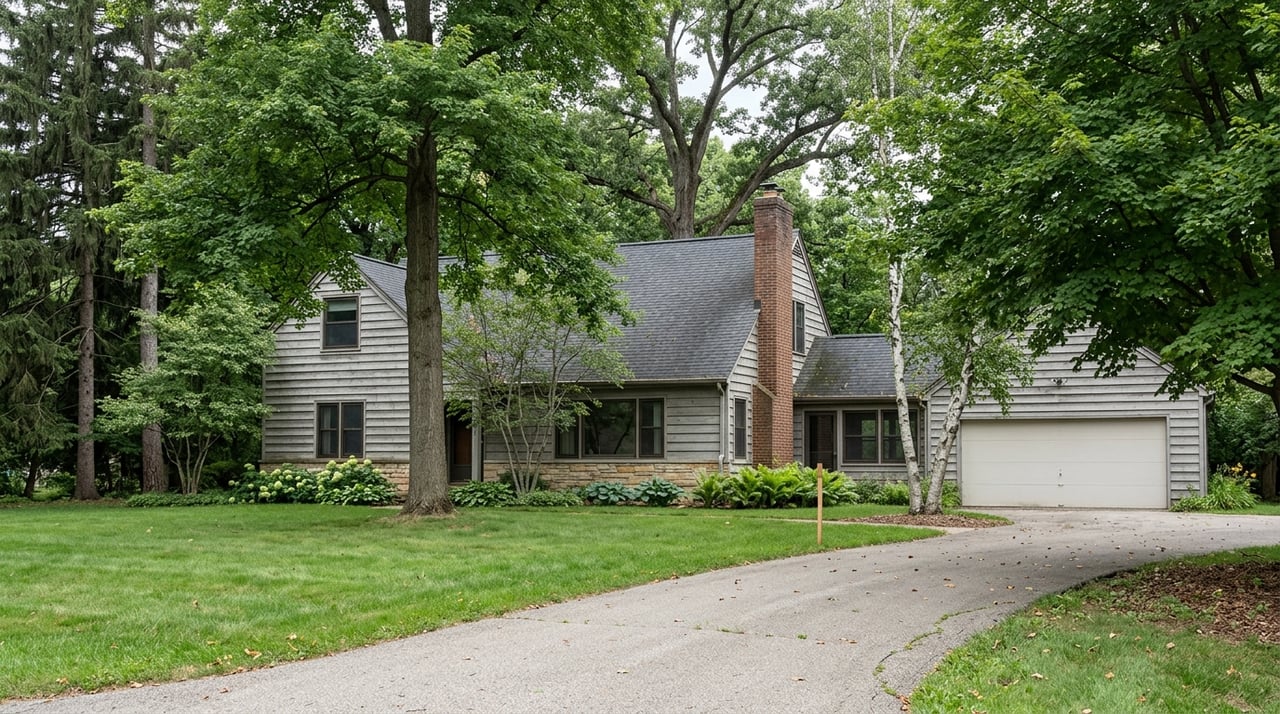
If you own land in Orono, or you are considering selling a teardown or extra parcel, one question matters more than almost anything else: what can actually be built there? In Orono, buyers looking for new-build opportunities are often less focused on speculation and more focused on certainty. If you can show clear answers on zoning, setbacks, utilities, and site conditions, you can attract stronger interest and better-positioned offers. Let’s dive in.
Why buildability matters in Orono
Orono’s land-use framework is designed around preserving existing development patterns and environmental protection, and the city’s long-range plan does not anticipate a major land-use shift over the next 20 years. According to the Orono land-use plan, that means many buyers are not purchasing land based on the hope of future upzoning.
Instead, buyers usually want to know whether a parcel already fits the city’s rules well enough to support the home they have in mind. That is especially true for builders and custom-home buyers comparing multiple sites in Orono and nearby communities.
For you as a seller, this changes the strategy. The strongest pitch is often not just lot size or location. It is the ability to show a realistic path from purchase to construction.
What new-build buyers want to see
Builder buyers and end-users planning new construction both want to reduce surprises. In Orono, that usually means they will look closely at the same issues the city reviews through its Community Development process, including setbacks, hardcover limits, floodplain management, and related land-use factors.
A parcel may appear attractive at first glance, but value can change quickly if a buyer later learns the site needs a variance, additional engineering, or a more complex septic solution. That is why pre-listing due diligence can make such a difference.
Before you market land as a new-build opportunity, buyers will usually want clarity on:
- Zoning district
- Minimum lot area and lot width requirements
- Front, side, rear, and principal building setbacks
- Shoreland or lakeshore restrictions, if applicable
- Sewer or septic status
- Wetlands, slopes, bluff areas, and drainage conditions
- Easements and impervious surface limits
Zoning can change the buyer pool
In Orono, zoning standards vary significantly by district. Based on the city’s available code excerpts, minimum lot area can range from 0.5 acre to 5.0 acres, minimum lot width can range from 100 feet to 300 feet, and principal-building setbacks can range from 30 feet to 100 feet depending on district. You can review an example of those standards in the city’s residential zoning requirements.
That range matters because two parcels with similar acreage may appeal to very different buyers if they sit in different districts. One site may support a straightforward custom-home plan, while another may require a buyer to redesign around width, setback, or area limits.
If your property is in or near shoreland areas, the rules can become even more specific. Lakeshore parcels may be subject to OHWL standards and average lakeshore setback requirements on top of the base zoning rules.
Nonconforming lots may still have options
Some sellers assume a nonconforming lot automatically has limited value. In Orono, that is not always true. The city allows certain lots of record to be used for single-family purposes without a variance if specific conditions are met.
According to Orono’s shoreland lots-of-record ordinance, some non-shoreland R and RR lots served by sewer may still be buildable if the lot is deficient only in area or width and all other zoning requirements are met. In shoreland districts, a lot of record may also be allowed as a building site if required setbacks can be met, an approved sewage solution is available, and impervious coverage stays within the city’s limits.
This is one area where early review can be especially valuable. A parcel that looks questionable on paper may still work for the right buyer, but you should avoid marketing it as fully buildable until those details are verified.
Utilities can affect value and timing
Utility access is one of the biggest factors for land buyers in Orono. The city provides water, sewer, and stormwater service, but municipal sanitary sewer service is limited mainly to the Navarre area and the Highway 12 corridor. Other parts of Orono rely on privately owned septic systems.
That means two lots that look similar online can have very different development paths. A sewer-served site may be simpler for some buyers to underwrite, while a septic-dependent site may require more due diligence related to soils, system design, and placement.
If your property is connected to municipal sanitary sewer, Orono also requires a point-of-sale inflow and infiltration inspection before sale. The certificate is valid for 10 years, and if the property fails inspection, repairs are expected within 90 days. That program does not apply to private septic properties.
Lakeshore and shoreland rules deserve special attention
Lake proximity can absolutely increase buyer interest, especially in the broader Lake Minnetonka area. But in Orono, waterfront and near-water sites also come with more constraints that affect what a new-build buyer can do.
Minnesota DNR guidance for shoreland property notes that impervious surface coverage is limited to 25 percent of lot area. Orono’s own standards also apply average lakeshore setbacks on classified lakes, which can materially shape building envelope and site design.
If your lot is on the water or within shoreland overlay areas, buyers will usually want to know more than just frontage and views. They may also need to understand lakeyard setbacks, wetland setbacks, impervious surface limits, and whether planned improvements must stay outside easements or drainage areas.
The clearer those answers are upfront, the more credible your listing becomes.
Site conditions can make or break a deal
Topography is another major issue for new-build buyers. A site that looks large enough may still face complications related to drainage, wetlands, steep slopes, bluff impacts, or soil limitations.
Orono’s subdivision application instructions show how seriously the city treats site-specific review. The city calls for topographic contours, wetlands and bluff information, soil surveys, grading and erosion-control details, and either utility plans or on-site sewage plans.
From a seller’s standpoint, that means raw acreage alone rarely tells the full story. Buyers assigning value to land will often discount aggressively if they think they may uncover difficult engineering issues after they go under contract.
Entitlement timelines matter too
Even when a lot appears promising, timing can affect who is willing to buy it. Orono states that most land-use applications begin with a planner meeting, most require a public hearing, and a completed application typically takes about 6 to 7 weeks to reach a decision through the land-use application process.
It is also important to know that a variance does not replace the need for permits. As the city explains in its land-use FAQ, approval of a variance does not authorize construction by itself.
That distinction matters when you are marketing to builders or custom-home buyers. Many will pay more for a property with a shorter, clearer approval path than for a parcel with unresolved entitlement questions.
How to prepare your Orono land for sale
If you are thinking about selling in the next 12 to 24 months, the best first move is often to verify the basics before bringing the property to market. In many cases, this helps you price more accurately and present the opportunity with fewer unknowns.
Here is a practical pre-listing checklist based on Orono’s review standards and application materials:
1. Confirm zoning and overlays
Check the zoning district and determine whether shoreland rules apply. In Orono, district standards can shift significantly, and shoreland overlay rules can further narrow the building envelope.
2. Gather a current survey or site plan
A recent survey or site plan can help clarify lot dimensions, setbacks, easements, and the likely buildable area. It also creates a stronger starting point for buyer review.
3. Verify sewer or septic status
This affects both cost expectations and transaction logistics. Sewer-served properties may need the city’s point-of-sale inspection, while septic-dependent sites may require more buyer due diligence around system design and soils.
4. Review topography and environmental constraints
Grade, drainage, wetlands, bluff areas, and soil conditions can all affect buildability. These are often the issues that create the biggest disconnect between perceived value and actual buyer interest.
5. Check impervious surface capacity
On some parcels, especially shoreland sites, impervious surface limits can affect house size, driveway layout, accessory structures, and other improvements. That is why it is smart to review these limits before finalizing pricing or marketing language.
6. Identify lakeshore setback rules early
If the site is lakeshore, it is worth identifying the average lakeshore setback standard before presenting the property as a teardown or custom-build opportunity.
How to market land to the right buyers
In Orono, good land marketing is less about hype and more about clarity. Buyers interested in new construction usually respond best when a listing answers the obvious development questions upfront.
That often means presenting the property with as much verified detail as possible, such as:
- Zoning district and whether shoreland rules apply
- Survey or site plan
- Utility availability or septic status
- Known easements
- General topography and wetland context
- Any relevant setback or hardcover considerations
- Whether a buyer is likely to need additional approvals
This approach does two things. First, it helps attract serious buyers who understand the opportunity. Second, it reduces the chance that a sale falls apart because a buyer discovers a major site issue halfway through due diligence.
Why pricing land takes nuance
Pricing land in Orono is rarely as simple as comparing acreage or frontage. Buyers do not just purchase dirt. They purchase a site’s likely building potential, approval timeline, and development cost.
A property with better utility access, fewer site constraints, and a more straightforward compliance path may command stronger interest than a larger parcel with unanswered questions. That is one reason local experience matters when positioning a land sale in this market.
If you want to sell to a builder or a buyer planning custom construction, the goal is not simply to make the property look attractive. It is to make the property understandable.
When you are ready to position your Orono land, teardown, or new-build site for the market, working with an experienced local advisor can help you frame the opportunity clearly, price it strategically, and present it to the right audience. If you would like a tailored strategy for your property, connect with Mark Geier for a thoughtful, high-touch approach backed by deep Lake Minnetonka area experience.
FAQs
What should you verify before selling land in Orono for new construction?
- You should verify zoning, setbacks, shoreland status, utility or septic service, easements, topography, wetlands, and likely impervious surface limits before marketing the property as a new-build site.
How long do land-use approvals usually take in Orono?
- Orono says most land-use applications start with a planner meeting, often require a public hearing, and a completed application typically takes about 6 to 7 weeks to reach a decision.
Can a nonconforming lot in Orono still be buildable?
- Yes, some nonconforming lots of record may still be used as building sites if they meet the city’s specific conditions for setbacks, sewage service, and other zoning requirements.
Do sewered properties in Orono need a point-of-sale inspection?
- Yes, if a property is connected to municipal sanitary sewer, Orono requires a point-of-sale inflow and infiltration inspection and certificate before sale.
Why do shoreland rules matter when selling land in Orono?
- Shoreland rules can affect setbacks, impervious surface coverage, and the overall building envelope, which directly impacts what a buyer may be able to build on the site.
How can you make an Orono land listing more attractive to builders?
- You can make it more attractive by packaging clear feasibility information, such as zoning, survey data, utility status, site constraints, and the likely approval path, so buyers can evaluate the opportunity with more confidence.