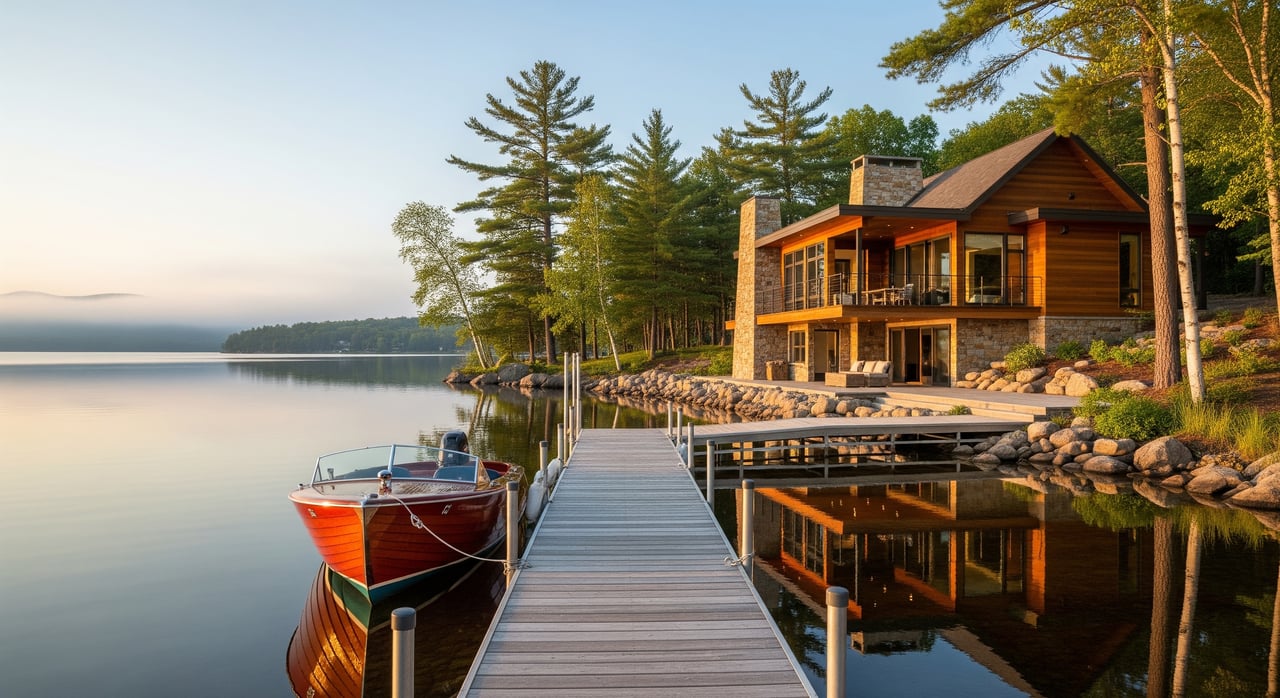
Dreaming about a cabin where you can boat, fish, and unwind without hopping on a plane? If the Brainerd Lakes area is on your shortlist, you’re not alone. Many Twin Cities buyers look north for a second home that balances lifestyle, value, and drive time. In this guide, you’ll learn how to pick the right lake, understand rules that shape what you can do, plan for seasonal maintenance, and make confident decisions in Crow Wing County. Let’s dive in.
Start with your goals
Before you tour properties, define how you’ll use the home. Your goals will guide every decision that follows.
- Weekend retreat: If you want quick trips from the Twin Cities, focus on year-round road access, winter plowing, and a lake that fits your boating or fishing style.
- Retirement runway: If you plan to convert to full-time living later, prioritize year-round construction, efficient mechanicals, and proximity to services.
- Rental income: If short-term rentals are part of your plan, verify local ordinances and HOA rules early. Lender and insurance rules can change if the home is classified as an investment.
A clear use case helps you weigh tradeoffs on lake type, property style, budget, and upkeep.
Pick the right lake
Not all lakes offer the same experience. A few core attributes will shape day-to-day enjoyment and long-term value.
Lake size and depth
Larger and deeper lakes can handle bigger boats, offer more open water, and often support strong year-round fisheries. Shallow lakes may warm faster and have more aquatic plant growth in midsummer. Compare lakes with the Minnesota DNR’s LakeFinder to understand size, depth, and fish species.
- Use the DNR’s interactive resource to review lake facts, fishery reports, and ice-out trends: DNR LakeFinder.
Water clarity and quality
Clear, healthy water supports swimming, fishing, and resale appeal. Check state water quality data and any impairment listings before you buy.
- Review statewide water information and lake impairments at the Minnesota Pollution Control Agency.
Access and shoreline
Public boat launches and beaches can increase demand and convenience, though they may bring more traffic during peak season. Shoreline type matters too. Sandy entries are user-friendly for swimming, while rocky or marshy edges can change how you place docks and use the shore.
Invasive species and lake traffic
Zebra mussels, Eurasian watermilfoil, and other invasive species are present in parts of Minnesota. High-traffic lakes often have inspection protocols that affect how you move boats between waters. Check lake-specific notes in DNR LakeFinder.
Property types and tradeoffs
Your property choice will affect price, maintenance, and flexibility.
- Full lakefront: Highest demand and price with private access for docks and lifts. Expect more shoreline rules and maintenance responsibilities.
- Near-lake or deeded access: Often lower cost with walkable or shared access to the water. Fewer shoreline obligations, but confirm dock rights and any community restrictions.
- HOA and shared amenities: Some communities offer slips, trails, and maintained common areas. Review covenants, fees, and rental policies.
- Seasonal cabins vs. year-round homes: Older cabins may need winterization and have limited insulation or mechanicals. Year-round homes support four-season use but can command higher prices.
- Condos and townhomes: Lower exterior maintenance with HOA coverage. Useful for lock-and-leave owners, but rental and use rules apply.
Rules that shape what you can do
Shoreline property comes with specific regulations designed to protect water quality and lake health. Understanding them early helps you avoid costly surprises.
Shoreland zoning and setbacks
Minnesota’s shoreland rules guide setbacks, impervious surfaces, tree and vegetation clearing, and shoreline modifications. Crow Wing County applies these standards and may add local requirements. Confirm the rules before you plan additions, new structures, or significant landscaping.
- Learn the state framework at the DNR Shoreland Management page.
- Contact county staff about parcel-specific questions through the Crow Wing County website.
Docks, boathouses, and shoreline work
Dock size and placement, boathouse structures, and shoreline stabilization often require permits or must meet specific standards. Always verify past permits and approvals on the property, and confirm what is allowed today with county planning and the DNR.
Easements and road access
Confirm legal access to the property, shared drive agreements, and who pays for year-round maintenance and snow removal. This affects usability and resale.
Septic systems and wells
Many lake homes rely on private systems. Older septic systems may function, but expansions or transfers can trigger upgrade requirements. Wells should be tested for bacteria and nitrates as part of due diligence.
- Review septic and environmental questions with county staff via the Crow Wing County site.
- Get testing guidance and private well information from the Minnesota Department of Health.
Short-term rentals
Short-term rental rules vary by city, township, and HOA. Some areas require registration or licensing and have noise or occupancy standards. Others are more restrictive. If renting matters, verify rules before you write an offer.
- Start with your municipality and consult county planning resources at the Crow Wing County website.
Taxes and financing
Second homes are generally not eligible for homestead benefits unless they are your primary residence. Non-homestead classification can lead to different effective tax rates. If you plan to rent, your lender may treat the property as an investment, which can change down payment, reserves, and underwriting.
- Review classification and homestead guidance at the Minnesota Department of Revenue.
Insurance and risk planning
Insurers look closely at second-home usage and vacancy. Some policies exclude damage if a home is left unheated or unattended for long periods. Others require winterization steps and documented checks. Ask prospective insurers about requirements for heat settings, water shutoffs, snow load management, and any vacancy clauses. While many lakeshore parcels are not in FEMA high-risk flood zones, topography and shoreline exposure still matter. Confirm coverage with your insurer and verify local conditions during inspections.
Seasonal realities and upkeep
Owning a lake home means planning for Minnesota’s seasons. Build a maintenance plan that fits your use pattern.
- Winterization: If the home is not truly year-round, drain pipes, protect plumbing, and set heat or shutoffs to prevent freeze damage.
- Dock and lift service: Many owners remove docks and lifts each fall and reinstall in spring. Book dock services early during peak season.
- Snow and access: Confirm who plows your road and driveway. Private roads often rely on owner associations or shared agreements.
- Roof and structure: Monitor for ice dams and snow load. Schedule seasonal checks if you’re away for long stretches.
- Septic care: Intermittent use can change pumping schedules. Ask service providers what works for your system type.
- Remote monitoring: Consider smart thermostats, leak sensors, and security systems to reduce risk while you’re away.
Local contractors and property managers are available across Crow Wing County, but they book up quickly in spring and fall. Start building your vendor list early and keep a contact sheet handy.
What drives long-term value
When you think about resale, focus on features that widen your future buyer pool.
- Water quality and lake reputation: Lakes with strong clarity and fisheries tend to retain demand. Use DNR LakeFinder and MPCA water resources to check trends.
- Access and maintenance: Year-round paved access, dependable plowing, and ample parking improve usability for owners and guests.
- Code compliance: Updated septic systems, documented permits, and professional repairs make transactions smoother.
- Rental flexibility: Rental-friendly areas can add buyer appeal, though rules may change. Understand today’s ordinances and HOA covenants.
- Proximity to amenities: Nearby groceries, medical facilities, restaurants, and seasonal attractions support multi-season use.
Pre-purchase checklist
Use this checklist to structure your due diligence before making an offer.
- Review lake data and fisheries in DNR LakeFinder.
- Check water quality and any impairments through the MPCA’s water resources.
- Verify shoreland zoning, setbacks, and impervious limits with Crow Wing County Planning and Zoning, and confirm any city or township overlays.
- Confirm septic system age, permits, and inspection history through county environmental services. Budget for upgrades if needed.
- Request recent private well test results and review testing guidance via the Minnesota Department of Health.
- Read the deed, covenants, easements, and HOA documents for access, dock rights, rentals, and assessments.
- If renting, confirm short-term rental licensing, taxation, and caps with your municipality and check county resources at Crow Wing County.
- Ask your insurer about vacancy rules, required winterization steps, and coverage for water-related risks.
- Get local contractor input for dock service, snow removal, septic maintenance, and seasonal checks. Book early in peak months.
- Investigate road access, ownership, and snowplowing responsibilities for year-round use.
Next steps
If Brainerd Lakes fits your lifestyle, take a structured approach. Define your use case, match it to a lake and property type, check the rules that matter for your parcel, and line up the right insurance and maintenance plan. A local, experienced agent can help you navigate lake-specific regulations, coordinate inspections, and protect your interests from offer to close.
If you want a second-home strategy that aligns with your Twin Cities plans and long-term goals, reach out to Mark Geier for discreet, one-on-one guidance.
FAQs
How far is Brainerd Lakes from the Twin Cities for weekend use?
- Many buyers plan on a 1.5 to 2.5 hour drive depending on location and traffic. Confirm winter access and plowing if you’ll travel year-round.
How can I check a lake’s water quality and invasive species history?
- Review lake-specific clarity, fishery, and notes in DNR LakeFinder and see statewide water resources at the MPCA.
Are short-term rentals allowed for cabins in Crow Wing County?
- Rules vary by city, township, and HOA. Start with your municipality and confirm requirements through Crow Wing County resources before you buy.
What should I know about septic systems and wells at lake homes?
- Older septic systems may require upgrades during expansion or transfer. Verify records with the county and follow testing guidance from the Minnesota Department of Health.
Can I build closer to the shoreline or add a larger dock?
- Shoreland setbacks and dock standards apply. Review state guidelines at the DNR Shoreland Management page and confirm parcel-specific rules with Crow Wing County.
Will my second home qualify for homestead tax benefits?
- Second homes typically do not qualify unless they are your primary residence. See classification details at the Minnesota Department of Revenue.
Do insurers cover homes that sit vacant in winter?
- Policies differ. Many insurers require winterization steps and regular checks during vacancy. Ask about heat settings, water shutoffs, and any exclusions before you bind coverage.